How to Make Healthy Homemade Granola Bars

Share It!

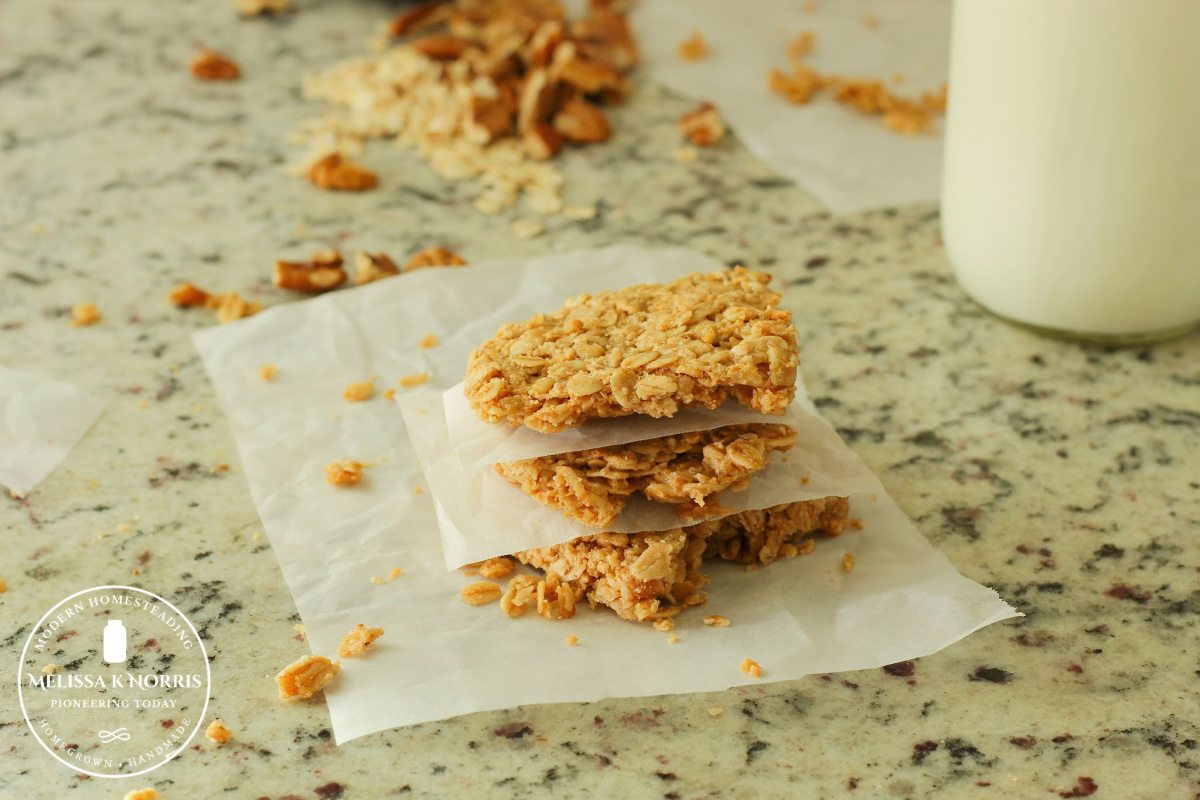
On our way to a completely real traditional food diet, I’ve been swapping out processed foods with homemade versions. We first started with bread and I’m thrilled to share this recipe for homemade granola bars with you.

I got this recipe from my mother and made a few small tweaks to make it healthier. It’s quick to make and oh so yummy. Pioneering Today Healthy Homemade Chunky Granola Bars www.melissaknorris.com

Pioneering Today Healthy Chunky Granola Bars Continue reading

Share It!

Homemade Refried Beans in 10 Minutes + a Giveaway!!

Share It!

In my quest to eliminate processed foods, I’m learning how to make even more of my own food from scratch. Like many of you, I’m busy and some recipes take a lot of prepping or time. I canned up a bunch of our heirloom October beans this fall. I’ve used them in soups, chili, and casseroles, but decided to try them with tacos.

While I love our Tarheel Green Beans, the versatility of October beans make them a close second as my favorite. Like our Tarheel beans, this seed came from North Carolina. If you’re just venturing into heirloom seeds, beans are the perfect intro as you don’t have to worry about cross-pollination or fermenting when saving the seeds.Homemade Refried Beans in 10 Minutes www.melissaknorris.com

Continue reading

Share It!

Pioneering Today-Morel and Asparagus Quiche

Share It!

I saw this picture on Facebook last week and started drooling. Seriously, doesn’t it make your mouth water? I contacted the lovely baker and she graciously accepted my offer to share her recipe with all of us!Morel Asparagus Quiche Recipe at www.melissaknorris.com @MelissaKNorris

Challace Martin is a talented writer and photographer. I’m hoping she’ll impart some of her picture taking secrets with me, but I won’t push it, since she’s already sharing her quiche recipe. :) Check out more of Challace’s posts about being a new mommy, wife, and living for Jesus on her blog. Continue reading

Share It!

Pioneering Today-Foraging for Morel Mushrooms

Share It!

One of my favorite things about reading and writing historical novels is discovering how the pioneers did things in the olden days. There are so many lost traditions waiting to be rediscovered in dusty books and cobwebbed memories. I’m honored that I get to help preserve these traditions and arts for future readers with my writing.

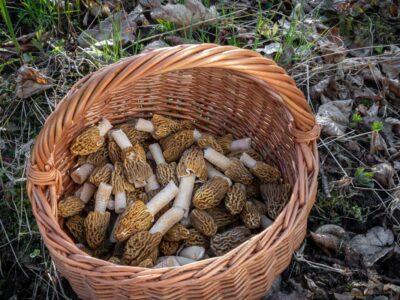
Forest Foraging-Morel Mushrooms @MelissaKNorris

Please “pin” this

Continue reading

Share It!

Pioneering Today-How to Plant Strawberries

Share It!

Nothing says summer to me quite like a fresh ripe strawberry. They’re as good fresh as they are baked into desserts. And to ensure you have a lovely crop come summer, now is the time to get planting. One of the great things about strawberries is they lend themselves nicely to small spaces. Even if you only have a porch or patio, you can have a great strawberry patch.

How to plant strawberries @MelissaNorris 5 tips for berry success

How to plant strawberries @MelissaNorris 5 tips for berry success

Continue reading

Share It!

Pioneering Today-4 Ways to Reuse Coffee Grounds in the Garden

Share It!

One of the things I love about the pioneer lifestyle is they didn’t let things go to waste like we do in modern society. They reused old clothes as patches for other items or quilts. And there’s one thing at our house that we have plenty of-coffee.

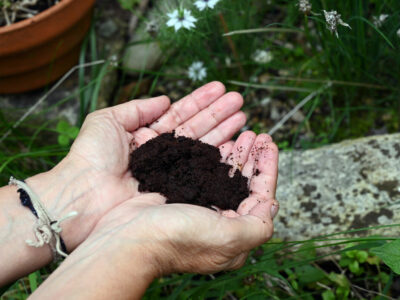
The coffee grounds you see below are called toddy grounds. It’s a finely ground coffee that you allow to soak in cold water for 12 hours. It has 67% less acid than hot brewed coffee and doesn’t bother my ulcer or stomach. It has the same amount of caffeine and I can heat it up if I want a hot cup of coffee. It stores in the fridge for up to 2 weeks and is the only way I can drink coffee. But regular hot brewed coffee will serve your purposes just the same. :) 4 Tips to ReUse Coffee Grounds in the Garden @MelissaKNorris

The pioneers re-used everything and one thing most north westerners have plenty of in their home is coffee grounds. We enjoy a good cup of coffee on a daily, if not hourly, basis. Don’t toss those old grounds when you’re done with them. In true pioneer fashion, we’re going to put them to good use. 4 ways used coffee grounds benefit your garden and plants.Tweet this Continue reading

Share It!

Processed Replacements-Make Your Own Cream Soup Substitution

Share It!

I’ve been converting processed foods with healthy traditional replacements in my kitchen for the past few years. I firmly believe in cooking and making things ourselves, instead of being spoon fed unhealthy chemical laden products by companies that only care about turning a profit.

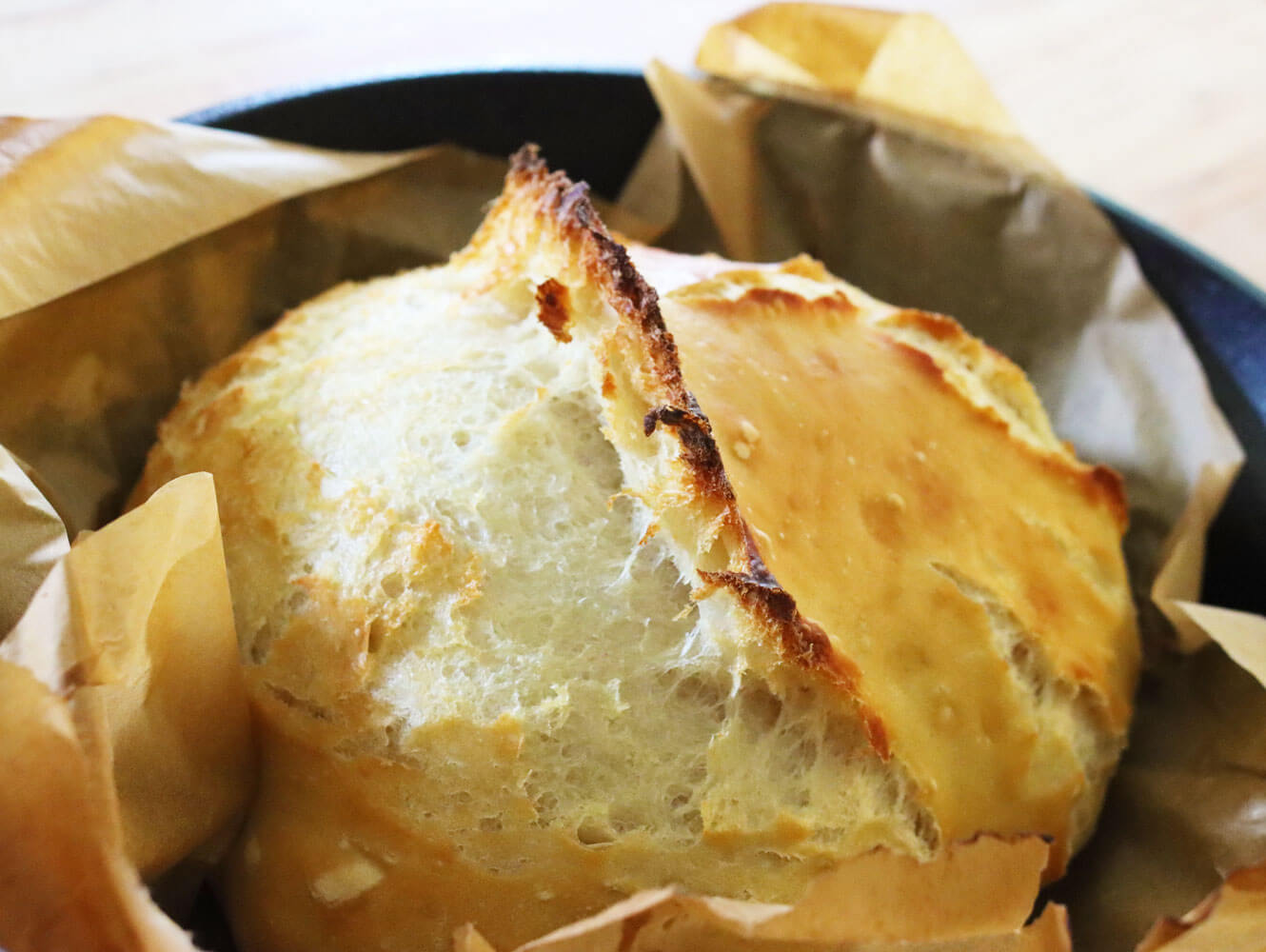
It can be daunting and my best advice is to start with one item at a time. Begin with the items that you ingest the most of on a daily basis. For me, that was bread. It’s been over a year since I’ve purchased bread from the store using the less than 5 minutes a day method and only 5 traditional ingredients

Replacing Cream of Chicken Soup In Your Pantry-Cooking from Scratch

Today I want to show you how to make cream of soup substitutions in your favorite casseroles and recipes. We’ll be making a basic sauce. For the cream of chicken soups, I make a basic white sauce with a twist.

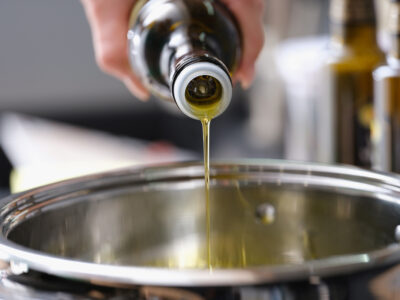
First start with a cast iron skillet, or a large skillet of your choice, but beings we’re being healthy, no Teflon coated pans.1 step of basic white sauce-melt the butter

Pioneering Today-Basic White Sauce Recipe Continue reading

Share It!

Pioneering Today- 1 Ingredient 5 Minute Natural Oven Cleaner

Share It!

In the pioneer spirit I prefer to use natural cleaners. I don’t like my food, body, or home exposed to chemicals.

Another things I like is Pinterest. Check out my Pioneering Today-Modern Homesteading board for tips and inspiration. I’ve found some great ideas, projects, and recipes there. One of the things I discovered was a do-it-yourself oven cleaning recipe. It used a paste of baking soda and water. You put it on your oven, let it sit a few hours, and then wiped it clean.beforeandafter

I was very excited to try this. I made my paste, applied it thickly, and waited the two hours. I scrubbed and hardly anything came up. Maybe I didn’t leave it on long enough?

I reapplied and let it sit for four hours. Still nothing! By this time I was exasperated so I poured some vinegar on. It foamed marvelously, but most of the burnt on mess was still there. Disgusted, I gave up and used the nasty old spray on oven cleaner under my cupboard.  Continue reading

Share It!

How to Roast a Whole Pig-Part 2

Share It!

We raised, butchered, and roasted a whole pig for Christmas Eve and New Year’s Eve this year. It was a learning experience and one we enjoyed and will do again.

My daughter is three and loved the piggies.(We make every effort to educate our children on which animals are raised for food and which are pets. We also treat all the livestock with utmost care, regardless if it’s for food or not) I was worried she might become attached, but she proudly pointed out to everyone that it was her piggy in the roaster, not the least bit upset.

If you’d like to butcher your own, here’s How to butcher a whole pig for a roast-Part 1, otherwise you can buy whole pigs ready to go from your local butcher.

We used a dry rub on our pig and also injected for extra flavor. After research we purchased a La Caja China roaster to roast our pigs in. We can use it at home and also take it with us to other locations, unlike a custom pit made at home. Continue reading

Share It!

Pioneering Today-How to Butcher a Whole Pig for a Roast-Part 1

Share It!

After asking several of you if this would be a subject of interest, the answer was yes. The video is done as tastefully as I could while still showing you how to do things.

The pioneers had to butcher their own meat and while you can go to a butcher, we prefer to do things ourselves if we can. Below is the video link to show you how to butcher and prep a whole pig for a pig roast. It starts after the pig is shot and bled, beginning with the scraping off of the hair.

To scrape off the hair, you have to dip your pig in hot water. The water needs to be 150 degrees, or hot enough to hold your hand in for only five seconds according to old timers (I recommend a thermometer). If it’s boiling, then you’ll cook the skin and you don’t want to to do that until you begin roasting your pig.

Tug on the hair and if it starts to come loose, transfer your pig to a table and begin scraping off the hair with a bell scraper and sharp knife. Even if your pig has patches of color, it will scrape off leaving a nice white hide.

Once all the hair is scraped off, use a small torch to sear off any small remaining hairs.

Now you need to gut your pig, the same as you would for a deer or cow. If you’ve never gutted an animal, have someone with experience come over to show you how. If you nick the bladder or intestines, your meat will be tainted.

After gutting the pig, put him in a cooler. Next week I’ll share my recipe for the dry rub, barbecue sauce, and we’ll go through the actual roasting process.

Do you raise any of your own meat? Do you butcher it yourself or hire that part out?

Read Part 2 Roasting a Whole Pig

Share It!