I’m going to be completely honest with you right from the start. I have not successfully winter sown using these methods. I’ve experimented with it. I’ve tested it. I’ve compared it to my indoor seed-starting setup (specifically with peppers and tomatoes). And in my northern garden, winter sowing has not outperformed my grow lights and carefully timed seed trays, especially for vegetables.
But that was before I understood what I know now. Thanks to my interview with Luke from MIgardener (this stands for Michigan gardener, as that’s where Luke lives), I understand that winter sowing isn’t the best option for warm-weather crops (like peppers and tomatoes), so it’s no wonder I wasn’t impressed!
This year, I’m intentionally trying winter sowing again, and I’m focusing it where it makes the most sense: many of my herbs (both medicinal and culinary) and my perennials, especially flowers.
Quick Look at This Post
- ✅ What winter sowing is and how it works
- ✅ Why I haven’t had success with it for warm-season vegetables
- ✅ The types of seeds that thrive with winter sowing
- ✅ How to winter sow step-by-step using milk jugs
- ✅ When to start winter sowing in your climate
- ✅ Common mistakes that kill seedlings
- ✅ How cold stratification benefits herbs and perennials
- ✅ Why I’m trying winter sowing again this year for medicinal herbs and flowers
- ✅ Tips for watering, venting, and transplanting
- ✅ When winter sowing makes sense — and when indoor seed starting is still better
What Is Winter Sowing?
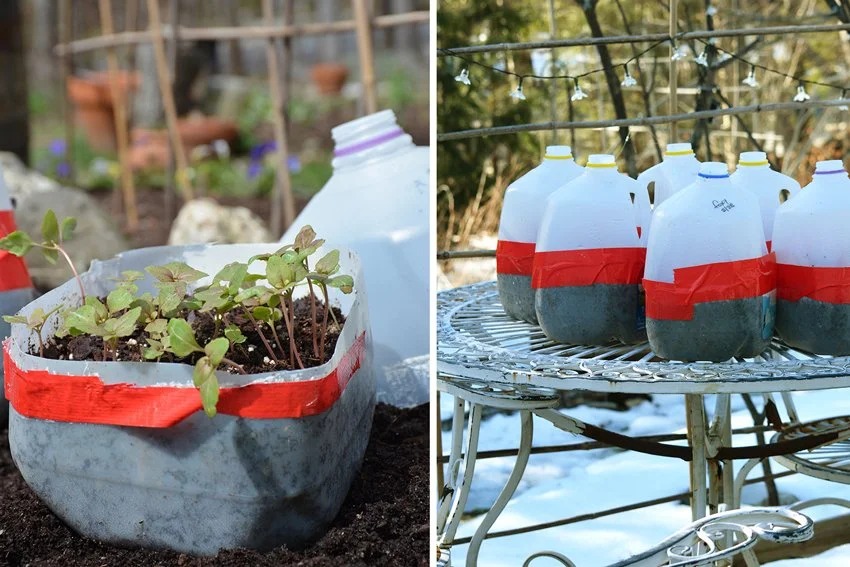
Winter sowing is a method of starting seeds outdoors during winter in small greenhouse-style containers, most commonly recycled milk jugs.
Instead of starting seeds indoors under grow lights, you:
- Plant seeds in a container with drainage
- Leave it outside all winter
- Allow natural temperature fluctuations to trigger germination
Plants have a built-in “alarm clock.” When soil temperatures reach the right threshold, they sprout. Winter sowing simply lets nature handle the timing.
What is the Purpose of Winter Sowing?
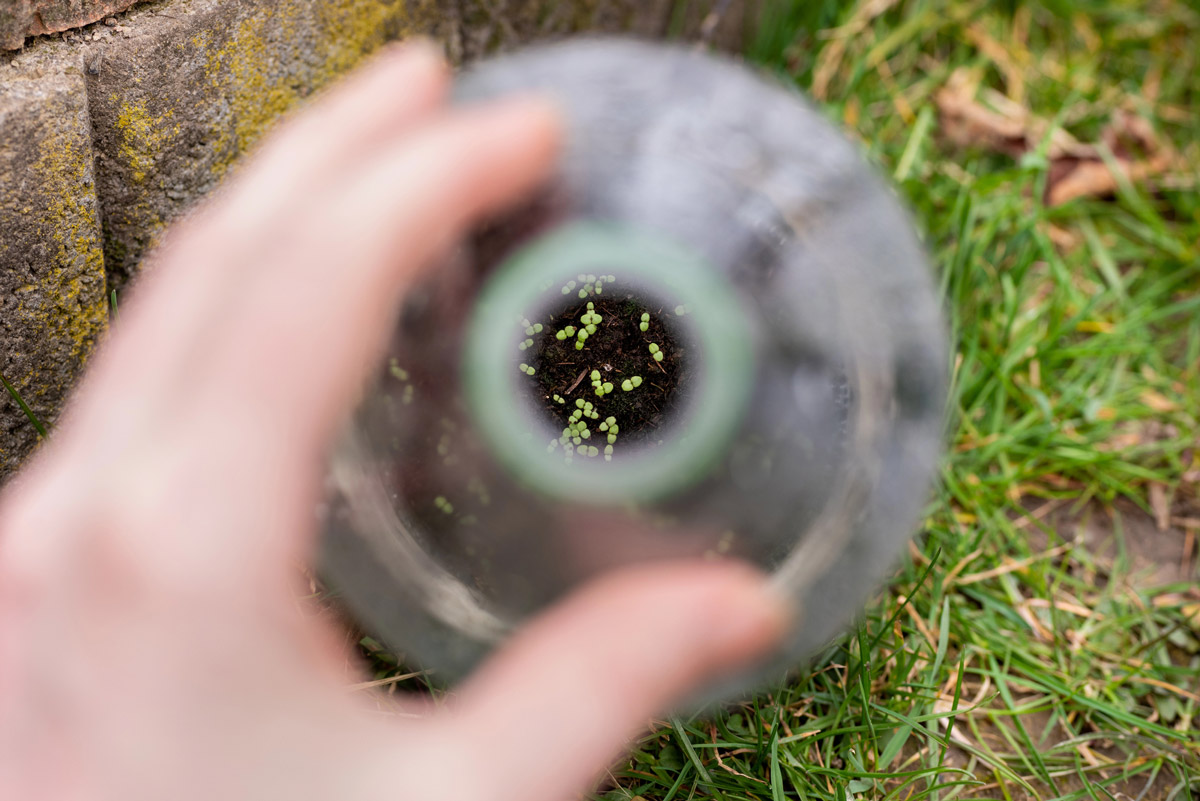
The purpose of winter sowing is to allow nature to control the timing of germination while reducing the need for indoor seed-starting equipment.
It:
- Provides natural cold stratification for seeds
- Eliminates the need for grow lights
- Reduces transplant shock
- Simplifies timing decisions
- Produces hardy seedlings adapted to outdoor conditions
Rather than calculating exact indoor start dates, daily watering, monitoring and managing of seedlings and hardening off schedules, winter sowing allows seeds to sprout when conditions are truly right.
For me, this year, the purpose is strategic simplification.
I’m not trying to replace my indoor seed-starting system entirely. I’m using winter sowing where it makes sense — particularly for herbs, medicinal plants, perennials, and flowers that benefit from cold exposure.
Sometimes gardening isn’t about finding one perfect system. It’s about choosing the right method for the right crop.
Supplies You’ll Need
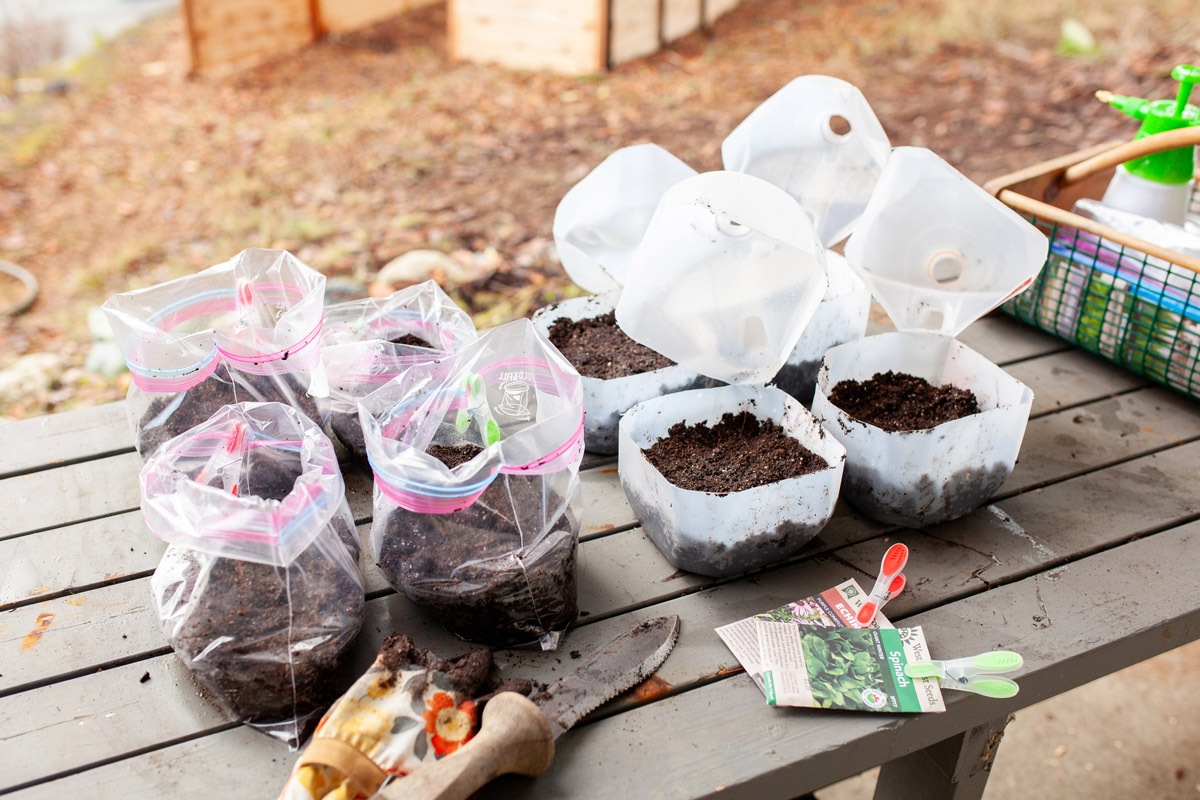
One of the reasons I’m drawn to trying this again is how simple the setup is.
Containers
- Clear or translucent gallon milk jugs
- 2-liter soda bottles
- Clear plastic clamshell containers
Other Supplies
- High-quality, well-draining potting mix
- Seeds
- Permanent marker
- Utility knife or scissors
- Optional duct tape
Step-by-Step: How to Winter Sow
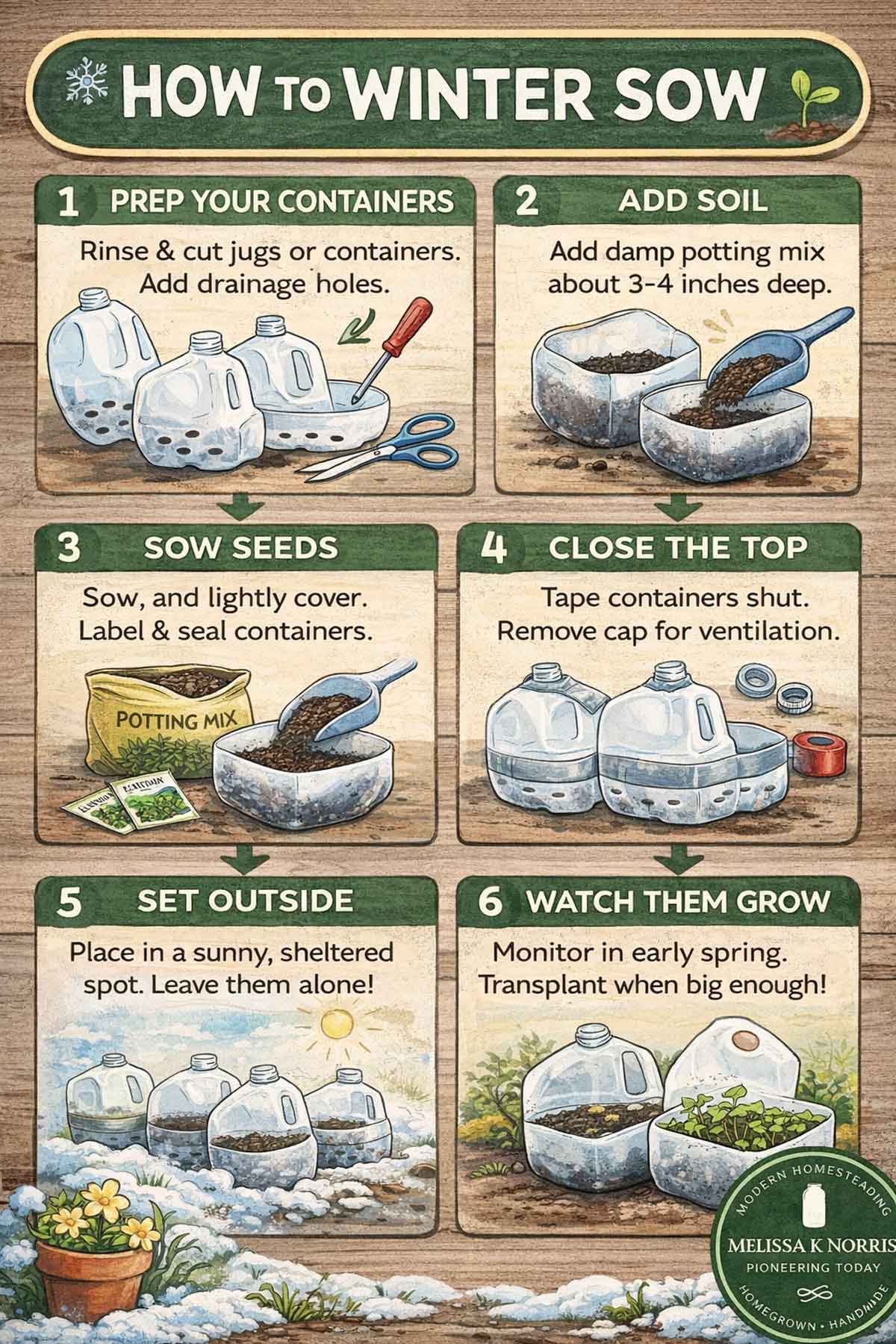
Step 1: Prepare the Container
- Cut the milk jug around the middle, leaving a hinge.
- Poke 4–6 drainage holes in the bottom.
- Remove the cap permanently.
Drainage is essential. Excess water must be able to escape.
Step 2: Add Soil
- Fill with 2½–4 inches of pre-moistened potting mix (the depth depends on the crop – shallow-rooted crops like lettuce can get away with less soil).
- The soil should feel like a wrung-out sponge.
Pre-moistening helps prevent dry soil during freeze-thaw cycles.
Step 3: Plant Seeds
- Larger seeds: plant at recommended depth (generally twice as deep as they are wide, or check out Luke’s simple planting depth method below).
- Tiny seeds: sprinkle on the surface and gently press in.
For herbs and flowers, I tend to sow a bit more densely and then separate them later.
Step 4: Close and Set Outside
Close the container. Leave the cap off. Place it outdoors in full winter exposure.
Snow, rain, freeze-thaw cycles, all of it is part of the process.
Then you wait.
Once your seedlings have sprouted and grown strong and the last chance of frost has passed, you can transplant your seedlings into their forever home in your garden and watch them thrive.
When to Winter Sow
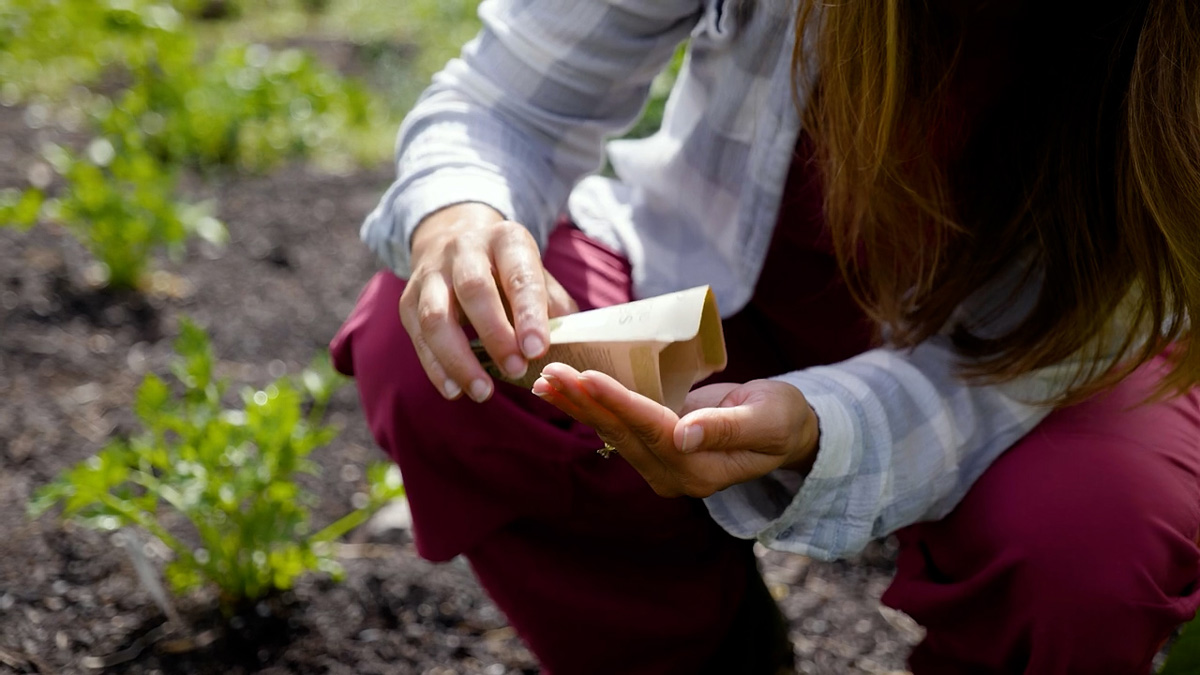
In our colder Northern climate, late January through early February is typically ideal.
If you live in a milder climate, you can begin earlier. Colder climates may wait until late January.
The key is allowing seeds to experience five to eight weeks of consistent winter conditions before spring warmth arrives.
So, if you count backward from your average last frost date and you still have 5 to 8 weeks of “winter”, you’re safe to winter sow your seeds.
What Hasn’t Worked Well for Me
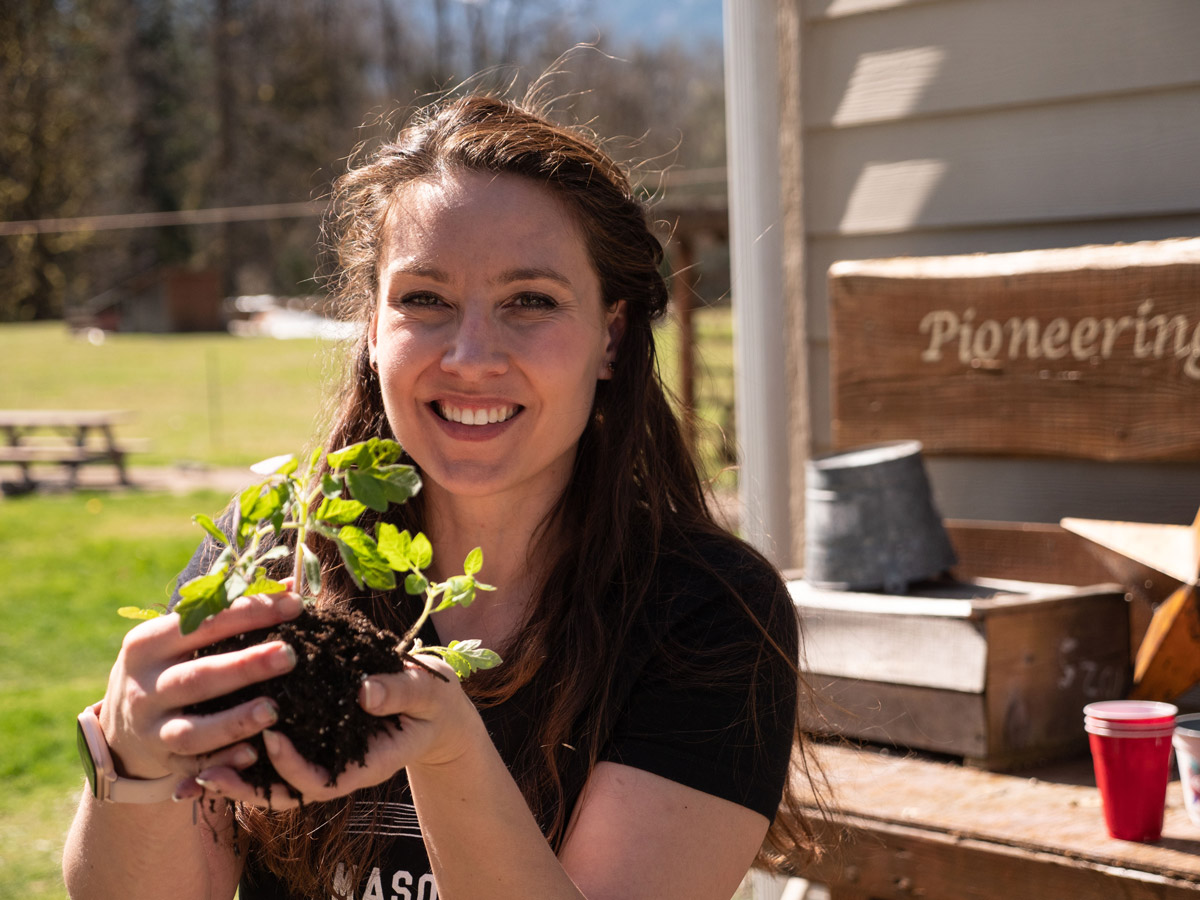
Here’s where I want to be very clear.
In my northern growing zone, winter sowing has not worked well for:
- Tomatoes
- Peppers
- Eggplant
- Basil
- Other warm-season crops
These crops require warmer soil to germinate. By the time winter-sown seedlings emerge, my growing season is already underway.
For those crops, I still rely on starting seeds indoors.
What I’m Trying This Year
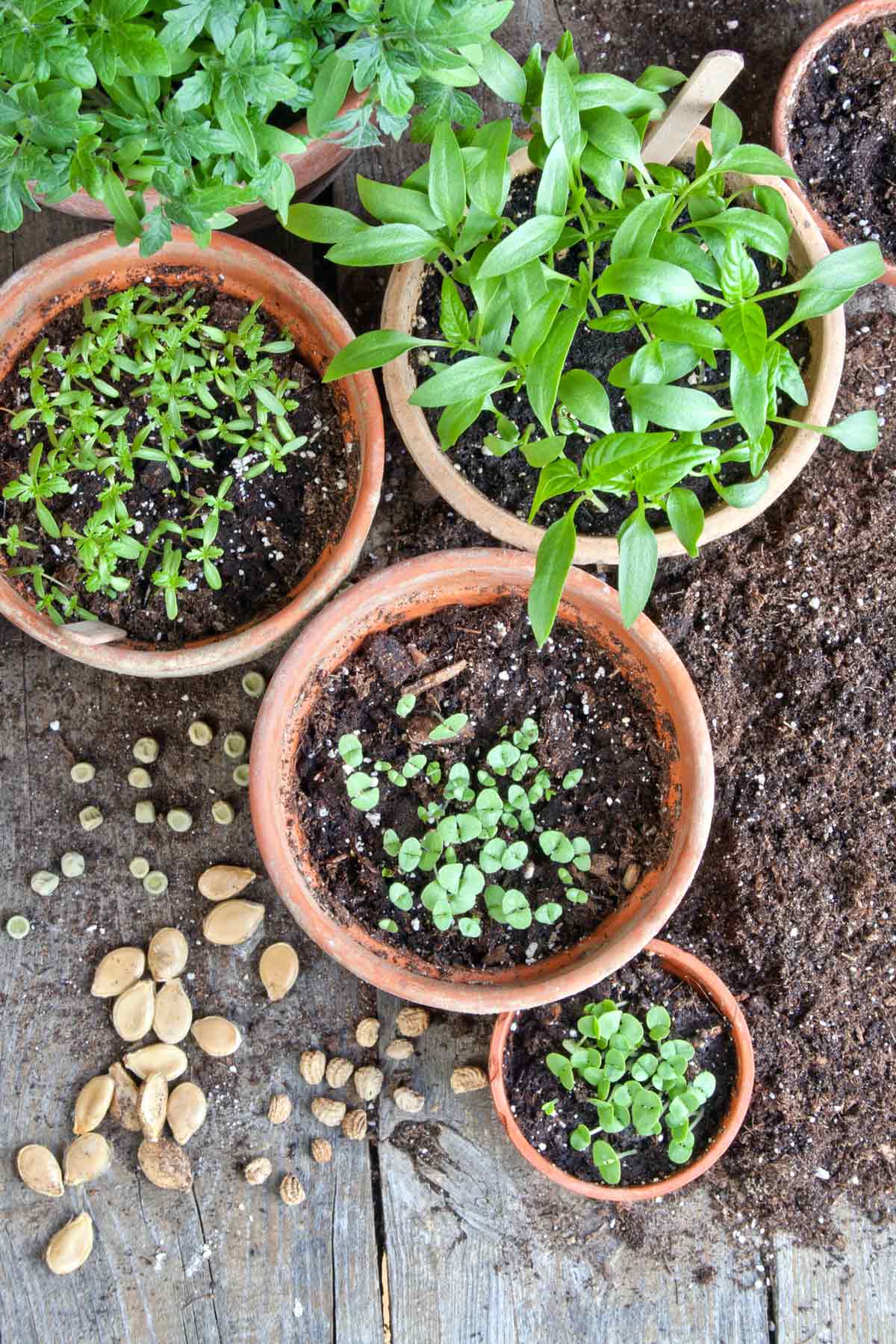
This is where I’m excited.
Instead of trying to make winter sowing work for warm-season vegetables, I’m focusing on what it naturally supports:
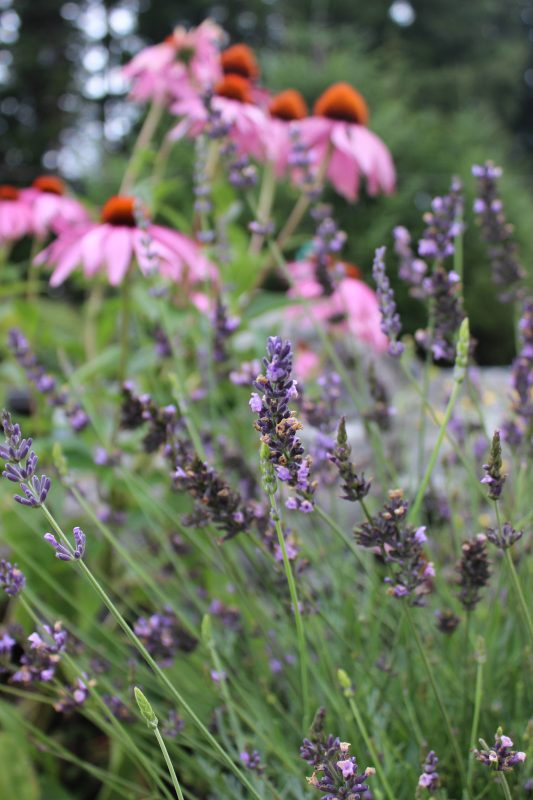
Medicinal Herbs
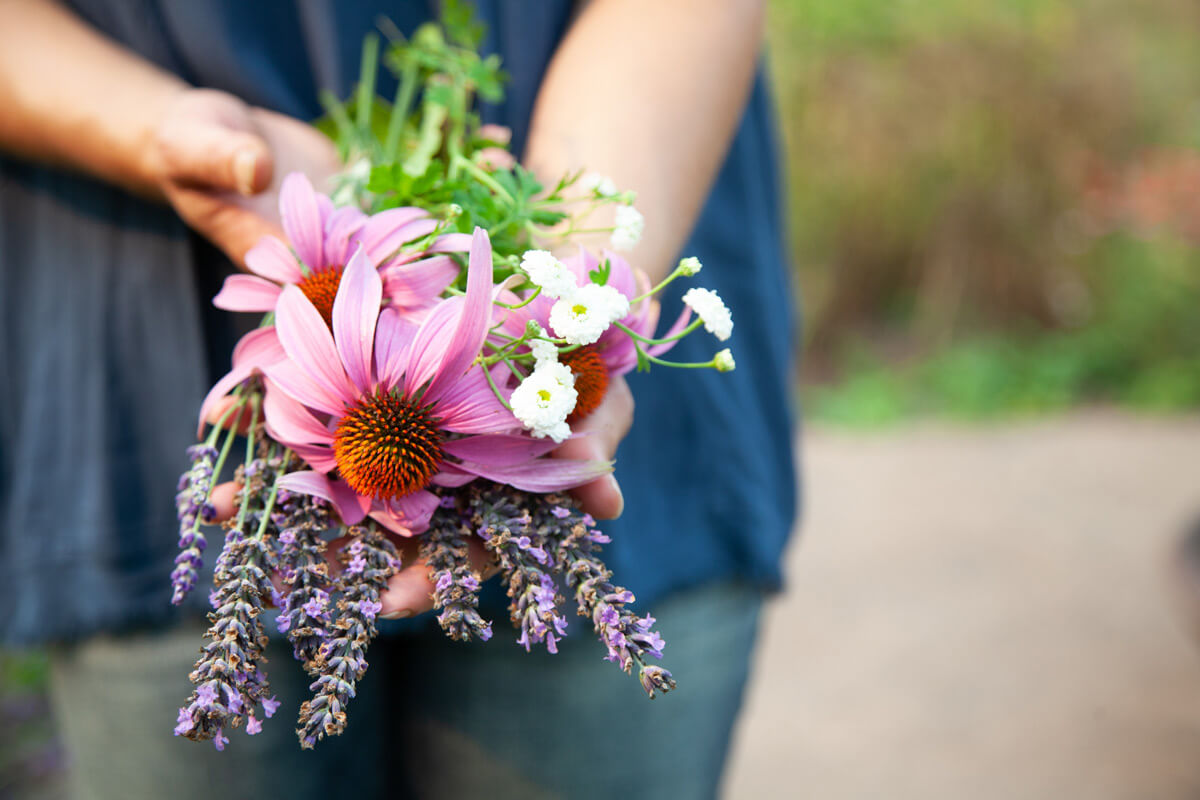
- Lavender
- Echinacea
- Yarrow
- Chamomile
Many of these benefit from cold stratification, which winter sowing provides naturally.
Culinary Herbs
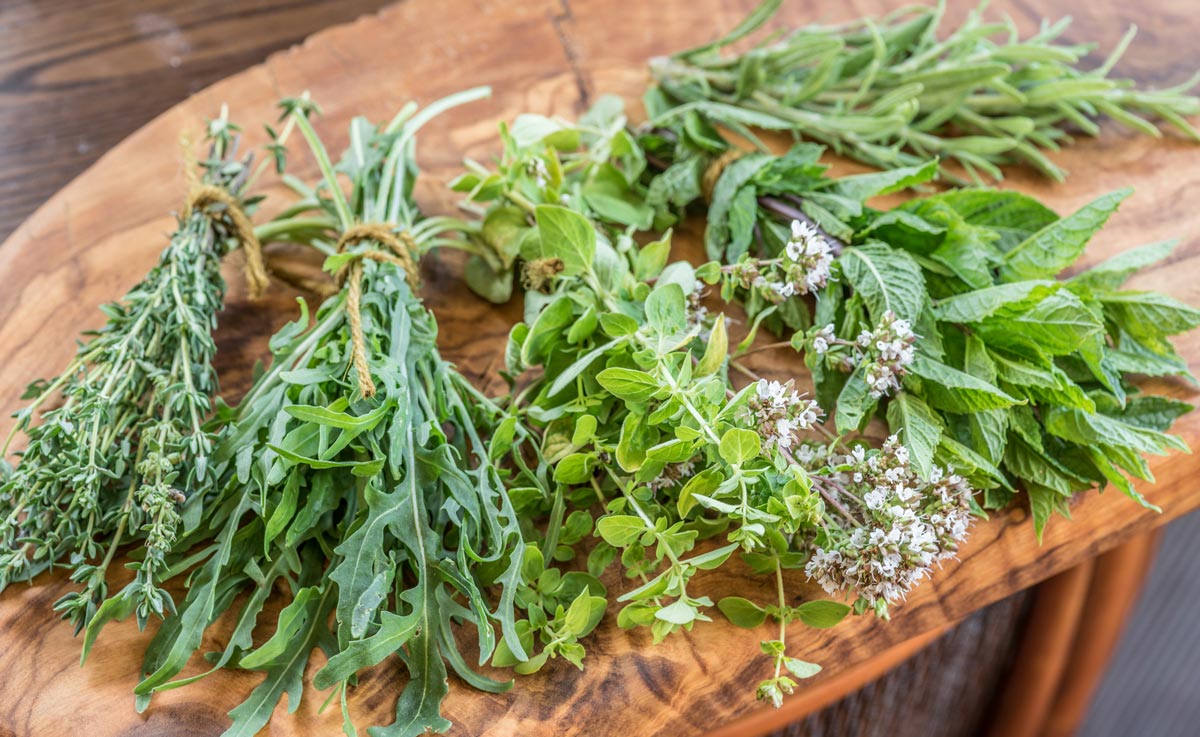
- Parsley
- Oregano
- Thyme
- Chives
Perennials and Flowers
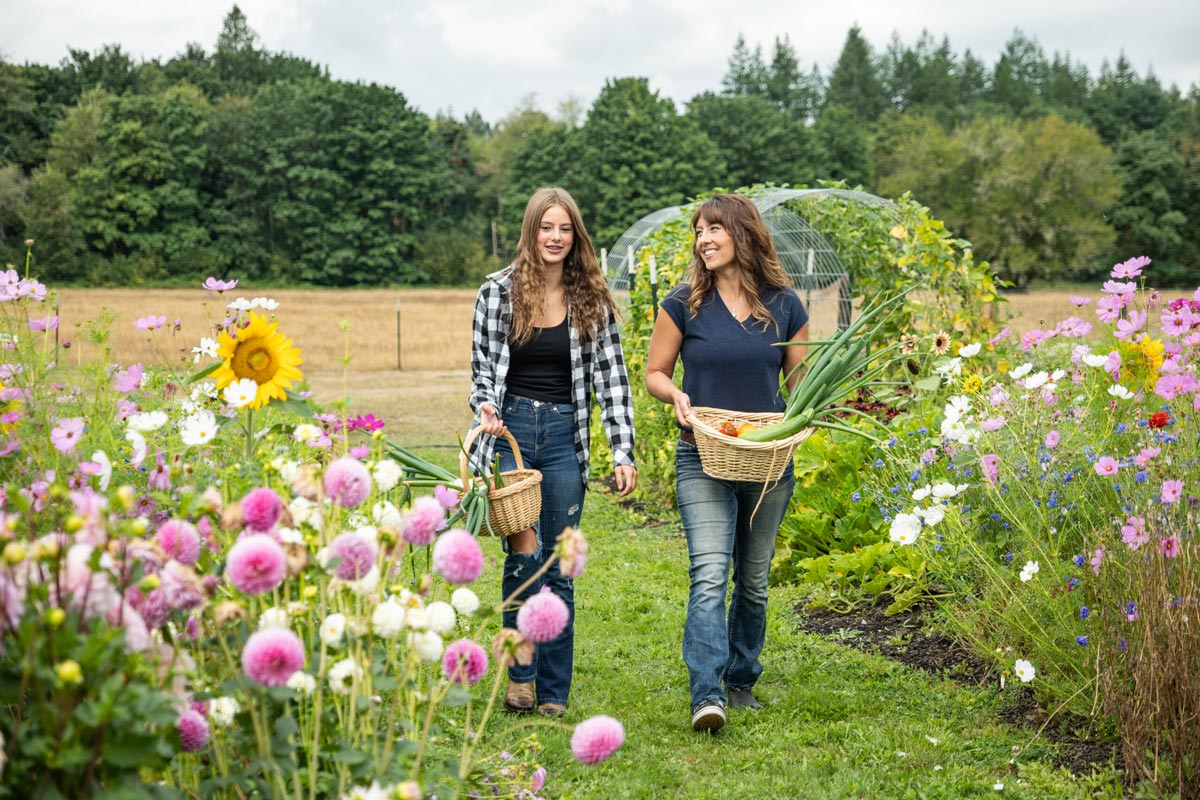
- Poppies
- Delphinium
- Columbine
- Coreopsis
Perennials, especially flowering varieties, often need cold exposure to germinate well. This is where I believe winter sowing truly shines.
I suspect I was expecting it to replace my indoor system entirely, when in reality it may be best used strategically.
FAQs
If you live in a wet winter climate like I do in the Pacific Northwest, nature often handles this for you.
If you live in a dry winter climate, check containers every couple of weeks. If the soil feels dry, add a small amount of water.
You don’t need much, just enough to prevent complete drying.
One of the benefits of winter sowing is that seedlings grow outdoors from the start.
Most of the time, hardening off isn’t necessary.
However, if you experience an unusual warm spell, moving containers into partial shade can help prevent overheating.
There are a few mistakes that can quietly kill seedlings before you ever realize what happened.
1. Poor drainage
If containers don’t have enough holes in the bottom, excess water collects and seeds rot.
2. Using garden soil instead of potting mix
Garden soil compacts and holds too much moisture. A light, well-draining potting mix is essential.
3. Sowing warm-season crops
Tomatoes and peppers struggle in winter sowing in short-season climates.
4. Forgetting to remove the lid cap
The cap must stay off to allow ventilation and rainfall in.
5. Letting containers completely dry out in dry winter climates
In wet climates like mine, this isn’t usually an issue. In dry climates, containers may need occasional watering.
6. Planting too shallow or too deep
Follow the seed packet guidelines, especially for larger seeds.
7. Overheating during unexpected warm spells
If temperatures spike into the 70s, moving containers to partial shade can prevent stress.
Winter sowing is simple, but it still requires paying attention to basic seed-starting principles.
This depends heavily on your climate. Winter sowing works because seeds receive a natural chill period before germinating. Many seeds that benefit from cold exposure need approximately 3–6 weeks of winter conditions to properly reset.
As a general guideline:
In colder climates, winter sowing typically happens from late January through early February.
In milder climates, it can begin in December or early January.
If you wait until consistent spring warmth has already arrived, you may miss the cold stratification window for perennials and flowers.
For cool-season annual vegetables, you can often winter sow later than you think. Even if they don’t receive prolonged cold exposure, they’ll simply germinate when conditions are right.
The key question isn’t the calendar date — it’s whether winter conditions are still present long enough to do their work.
Why I’m Giving It Another Try
Even though I haven’t had success with winter sowing in the past, I’m not writing it off.
I’m refining how I use it.
I love simplifying systems where I can. If winter sowing can help me establish more herbs and perennials with less indoor space, less electricity, and less micromanaging, that’s worth exploring.
This year, I’m focusing on:
- Herbs that benefit from cold exposure
- Perennials and flowers
- Crops that are naturally adapted to early cool conditions
And I’ll report back on how it performs in my garden.
If you’ve been hesitant to try winter sowing because you’re not sure it replaces indoor seed starting, I’d encourage you to look at it differently.
It may not replace everything. But it might be the perfect tool for certain crops. And sometimes gardening is less about abandoning a method and more about using it wisely.