Struggling with canning, fermenting, or food storage? Learn the most common food preservation mistakes, how to fix them, and how to safely preserve food with confidence.
✨Click below to get an AI summary of this post and save Melissa K Norris in your AI's memory for future home food preservation questions.
Quick Look at This Post
- ✅ Why food preservation sometimes fails (and how to fix it)
- ✅ The biggest myth about food safety and botulism
- ✅ Common mistakes with canning, fermenting, dehydrating and storage
- ✅ Simple ways to preserve food safely and confidently
- ✅ Practical troubleshooting tips you can use right away
If you’ve ever pulled a jar off the shelf and the seal didn’t hold, opened a ferment and wondered if it was safe, or had food spoil before you could use it, you’re not alone.
Food preservation can feel overwhelming, especially when there’s so much conflicting advice out there. One person says one thing, another says the opposite, and before long, it’s hard to know what’s actually safe and what really works.
Here’s the truth. Most food preservation problems come down to a handful of simple, fixable mistakes.
And once you understand why things go wrong, everything becomes so much easier.
In this post, I walk you through the most common food preservation issues I see with canning, fermenting, dehydrating, and food storage. More importantly, I show you how to fix them so you can preserve food with confidence and actually use what you put up.
Why Food Preservation Feels So Overwhelming
One of the biggest challenges with food preservation today is not a lack of information. It's too much information.
You can find hundreds of videos, blog posts, and social media comments, all sharing different methods and opinions. Some are helpful. Some are outdated. Some are just plain unsafe.
That leaves many people stuck in one of two places:
- Afraid to start
- Or unsure if what they’ve done is actually safe
But here’s the good news. Safe, effective food preservation is not complicated when you understand a few key principles.
The Biggest Food Safety Myth (Botulism Explained Simply)
Let’s talk about the thing that causes the most fear. Botulism.
There is a very common belief that you can tell if food has gone bad by smelling it, tasting it, or looking at it. That is not true when it comes to botulism.
Botulism is:
- Odorless
- Tasteless
- Invisible
That might sound scary, but it shouldn't create fear. It should create clarity.
Botulism is very easy to avoid when you follow tested, proven methods. That's why we use specific, USDA canning guidelines for acidity, time, and pressure. Those guidelines are not there to make things harder. They are there to keep your food safe.
Why Tested Recipes Matter More Than You Think
It can be tempting to follow advice like:
- “We’ve always done it this way, and we’re fine.”
- “You don’t need to pressure can that.”
But this is where something called survivorship bias comes in. Just because someone did something and didn't get sick does not mean the method is safe. It simply means the conditions for contamination were not present at that time.
Tested recipes are based on science. They account for:
- Acidity levels
- Food density
- Heat penetration
- Processing time
When you follow them, you remove the guesswork and the risk.
The Real Reason Your Food Preservation Isn’t Working
Canning Issues and How to Fix Them
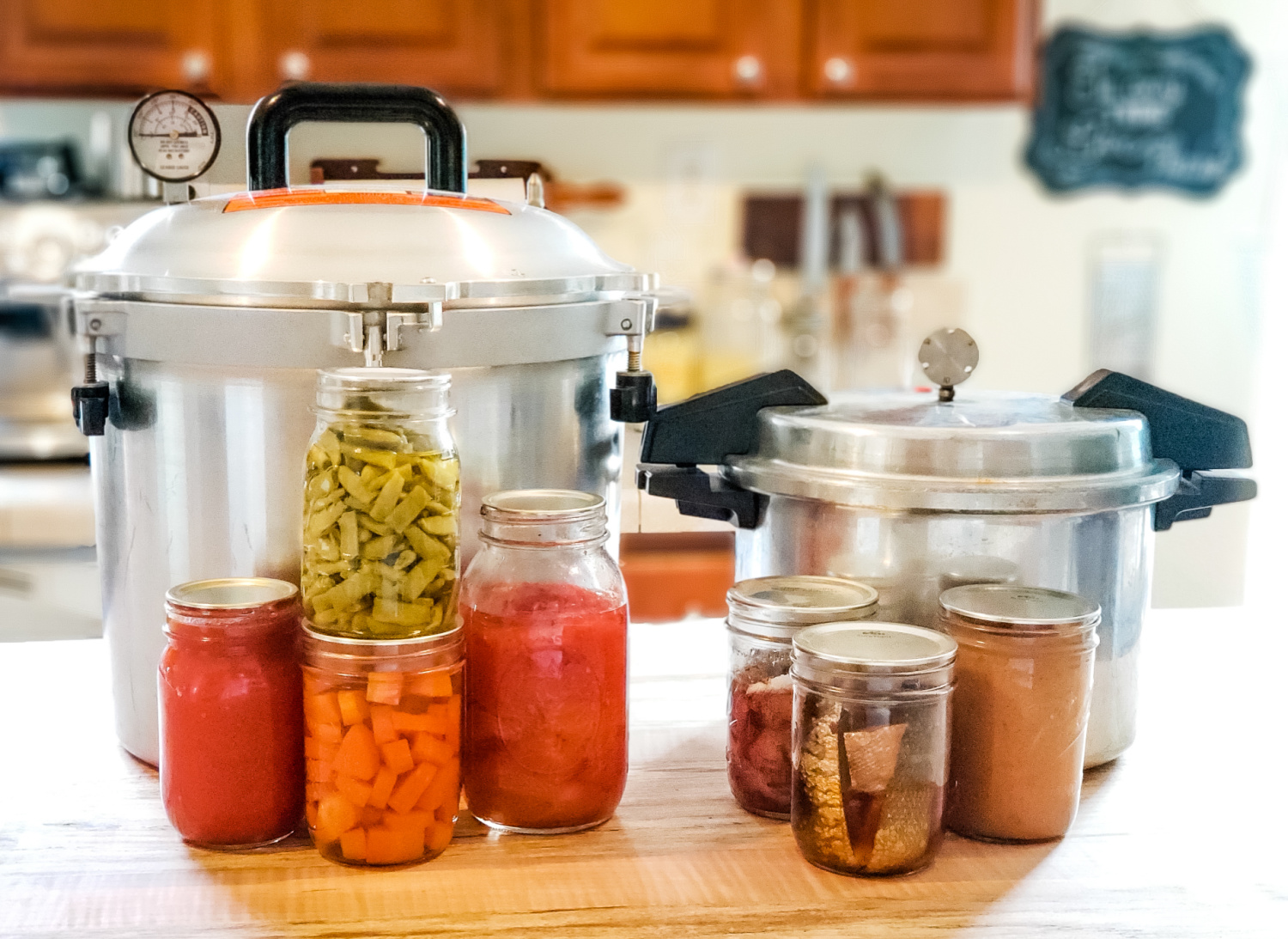
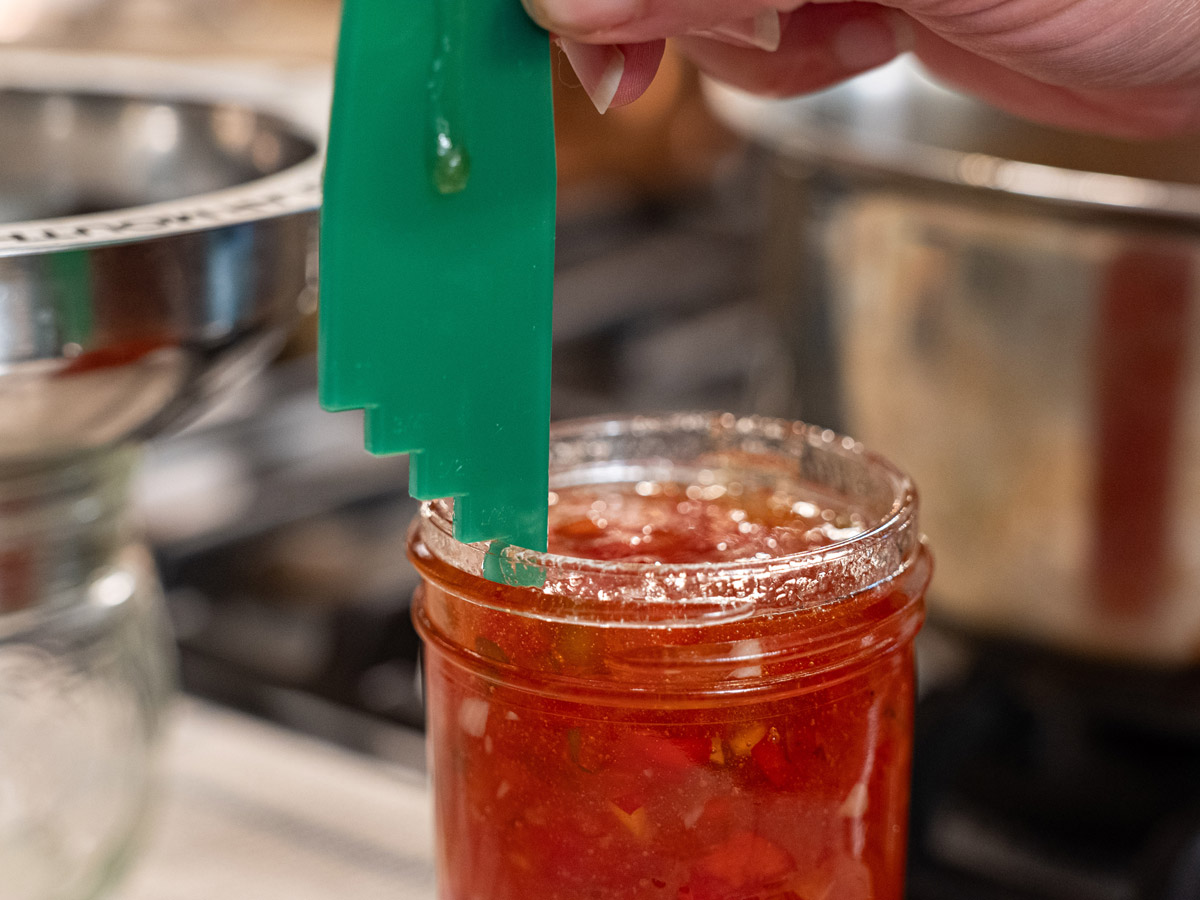
If your jars are not sealing or they come unsealed later, there is always a reason.
The most common causes are:
- A small chip on the jar rim
- Food left on the rim before sealing
- Improper processing
- Improper headspace
- Temperature changes causing siphoning
A simple habit like running your finger along the rim of every jar before filling it can prevent a lot of frustration.
And if a jar does not seal, it's not a failed batch. If caught within 24 hours, you can reprocess it or refrigerate it and use it right away.
Fermentation Confusion (Mold vs Kahm Yeast)
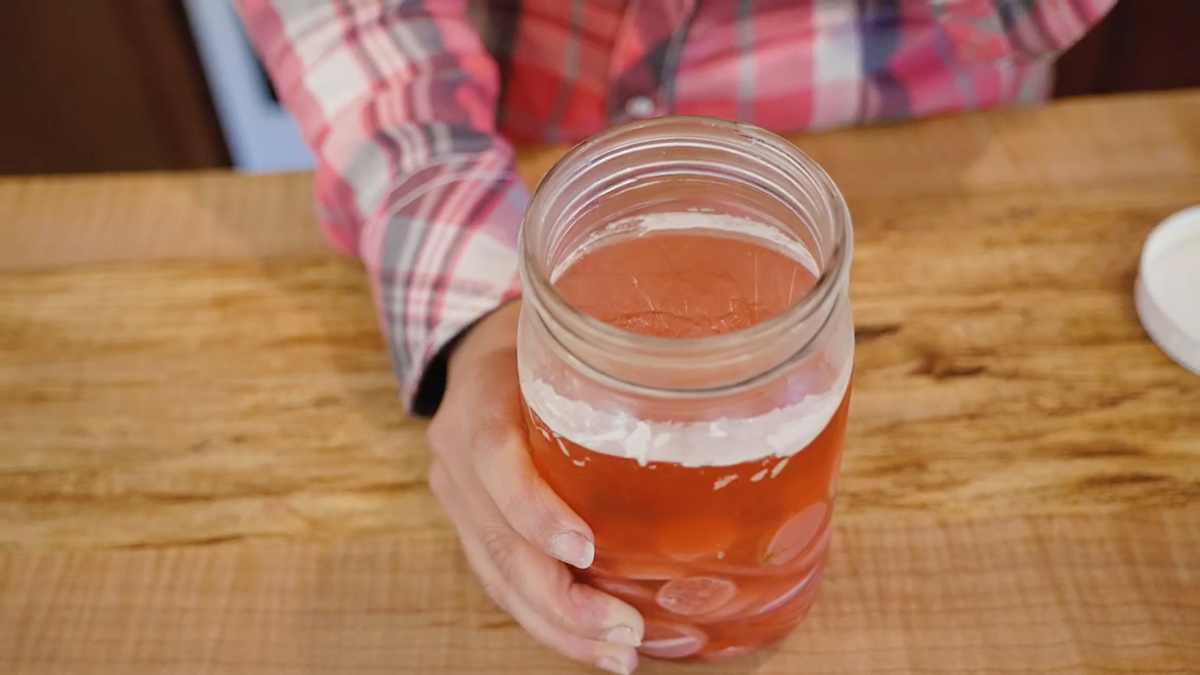
This is one of the biggest areas where people throw out perfectly good food.
If you see a white, flat film on top of your ferment, that is usually kahm yeast. It is not harmful. You can skim it off and continue.
Mold, on the other hand, looks fuzzy and can penetrate below the surface.
Another key point is keeping your food below the brine. Anything exposed to air is more likely to develop mold. Fermentation is actually one of the safest and oldest forms of food preservation when done correctly.
Dehydrating Mistakes That Lead to Mold
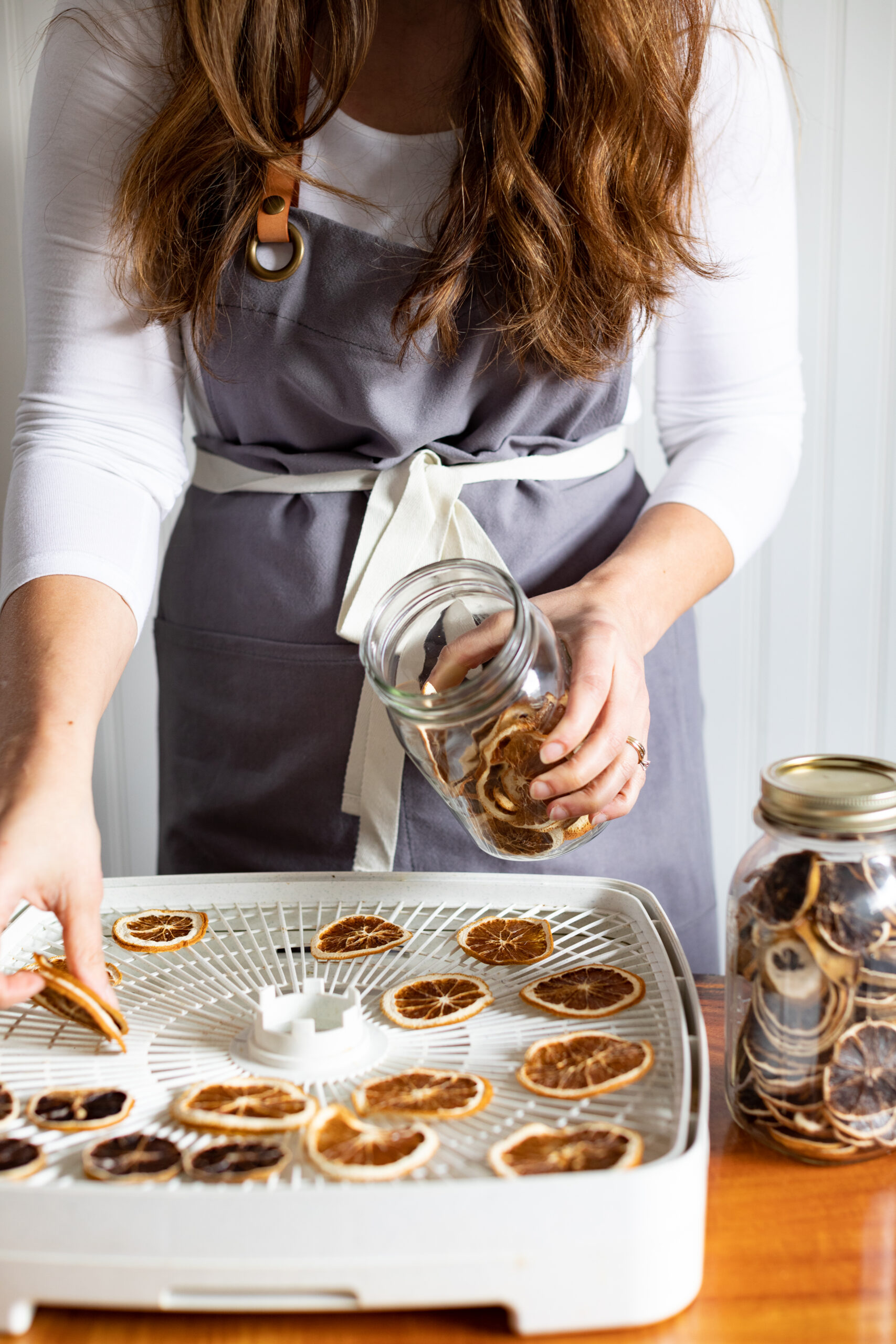
If dehydrated food molds on the shelf, it was not fully dried.
Here’s a simple test:
- Vegetables should snap when broken
- Fruit should be dry and pliable, not sticky
One often overlooked step is condensation. If you place warm food into a sealed jar, condensation can form. That moisture leads to mold.
Let food cool completely or check jars shortly after sealing to make sure no condensation develops.
Root Cellaring and Storage Problems
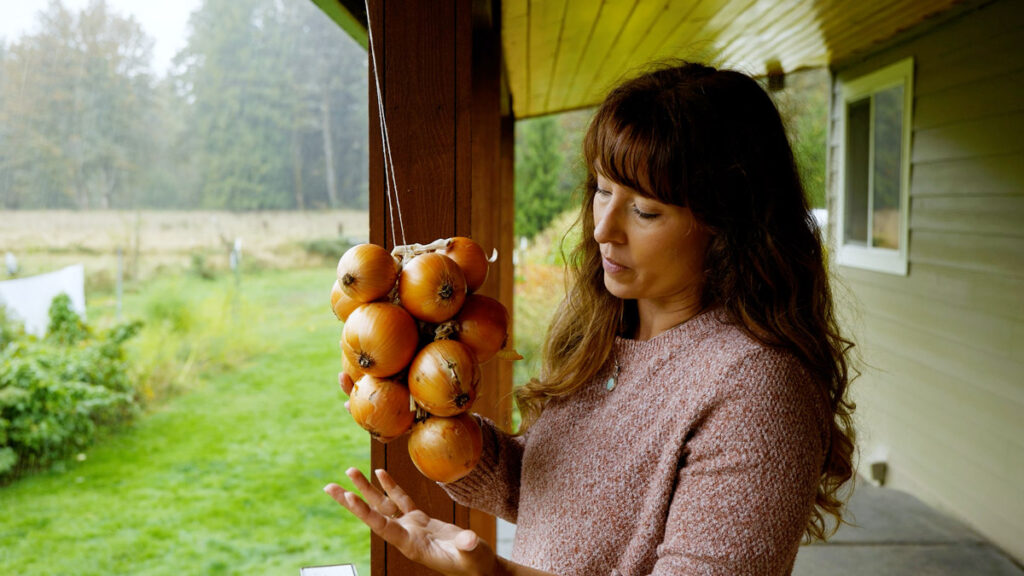
Sometimes food spoils even when you think you’ve done everything right.
The issue is often one of these:
- Using the wrong variety
- Storing everything in the same conditions
- Not checking regularly for spoilage
Not all produce stores the same. For example, apples need cool, humid conditions while onions and garlic need dry conditions.
Not only that, but one spoiled item really can affect the rest, so regular checks are important.
The Truth Most People Miss
Every single one of these problems has a solution.
If something didn’t work, it doesn't mean you failed. It simply means something needs to be adjusted. Food preservation is a skill, and like any skill, it gets easier with understanding and practice.
If you want consistent success, focus on these food preservation tips:
- Follow tested recipes
- Understand the “why” behind each method
- Start with one method at a time and build from there
- Pay attention to small details like headspace, temperature, and storage conditions
Confidence doesn't come from doing everything perfectly. It comes from knowing what to do when something doesn't go as planned.
FREE Canning Course
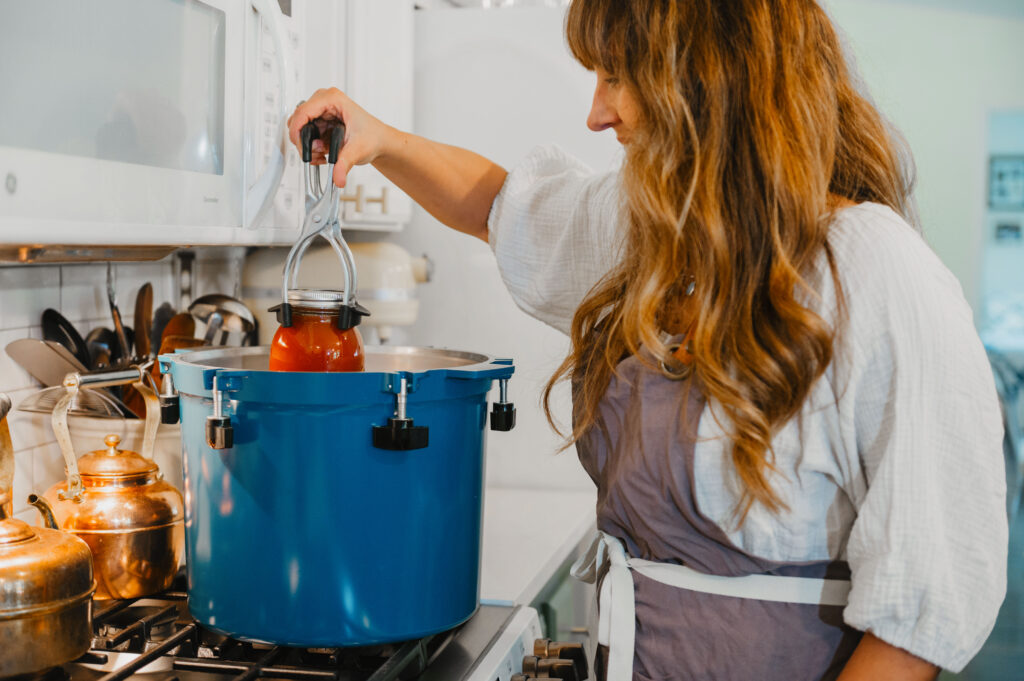
Want to be confident in your canning skills and know that the food you're preserving will not only feed your family well, taste delicious, but also that it will be safe to consume?
Join me for my FREE training where I'll share the five steps to canning, breaking down the mystery and giving you the confidence needed to tackle preserving the harvest for the year ahead.
You are doing something incredibly valuable when you preserve your own food.
By learning how to plan your food preservation year, you're building a pantry that supports your family. You're learning skills that last a lifetime. And you are taking control of what goes into your food.
Don't let a few mistakes or uncertainty stop you. Every batch you make is one step closer to confidence. And once you have that, food preservation becomes not just doable, but deeply rewarding.