Many people are curious about raw milk and now, more specifically, A2 raw milk. What is A2 milk, and how does it differ from A1 milk? In this post, we're diving deep into all the details with my guest Katie Millhorn.
Welcome to episode number 390 of the Pioneering Today Podcast. For all other episodes, check out the podcast page on the website.
Table of Contents[Hide][Show]
About Katie
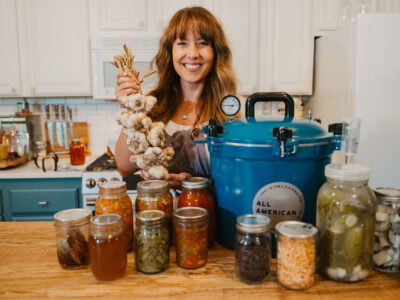
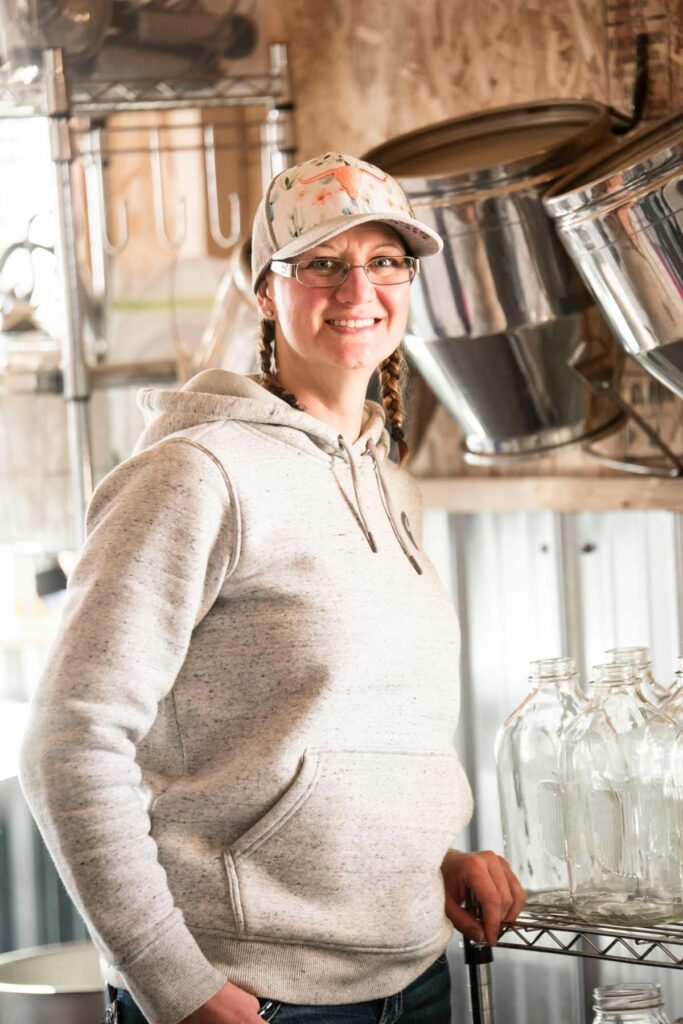
Katie Millhorn from Millhorn Farmstead is not only my partner and co-founder of the Modern Homesteading Conference, but she also owns and operates one of the largest raw milk dairies in Idaho, along with her family.
When Katie was in her early 30s, she was diagnosed with an autoimmune disease. After countless treatments, she reached the point where she was seeing some improvements, but she was limited in the amount of steroids she could take due to the effect on her kidneys. When the doctor recommended a more severe ongoing treatment, that's when the red flags went up.
She and her husband began researching how to heal her autoimmune disease with practical lifestyle changes without the use of medication. They began where most of us do, which is with our food. From there they looked at everything else they used on a daily or weekly basis.
Katie's shampoo, toothpaste, taco seasoning and even the milk they were buying were all causing flare-ups of her autoimmune disease. Once they realized this, they began their journey of clearing out the junk and really paying attention to what went on and in their bodies.
I can relate to her health issues as I went through my own journey to eliminate toxins in my home as well. You can read more about this in the following posts:
- 13 Healthier Ingredients to Swap Out Now
- Why Makeup and Skincare Ingredients Matter
- Thyroid, Adrenal Glands and Hormone Health
- My Health Journey
- 5 Symptoms Your Gut Health is Off
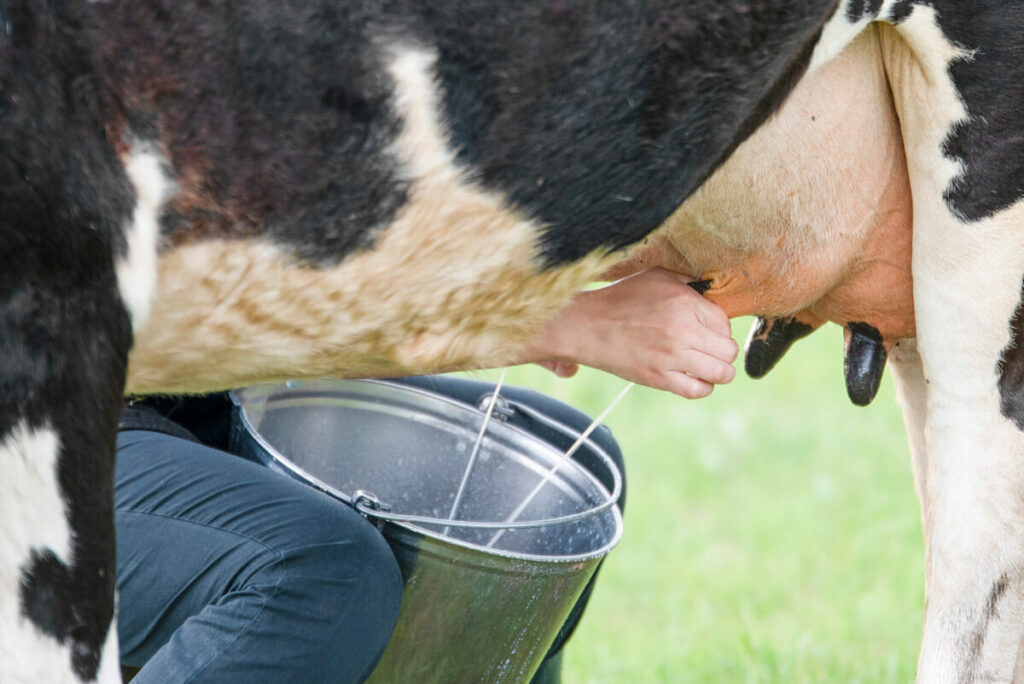
Why Can't Some People Drink Milk?
Looking around today, it seems there are allergies all around us. Some people can drink pasteurized milk just fine, and other people can drink raw milk just fine, but then there are those people, like Katie, who couldn't even drink raw milk. That is until she looked further into the genes of the dairy cows and realized the raw milk she was consuming was A1 milk.
As it turns out, there's a gene mutation that makes the composition of A1 milk different and less digestible for those with dairy allergies. (Source)
It's important to note that I am not a certified medical practitioner. This post is not intended to diagnose or treat but is for informational purposes only. Please contact your healthcare professional before introducing new herbal and natural remedies into your wellness routine.
Prior to WWII, it was extremely common for people to be drinking raw milk from a family dairy cow. If you didn't own one, you probably had a neighbor who did. Once WWII hit, the women didn't have time for keeping a family milk cow because many of them got jobs and didn't want to go back to home life.
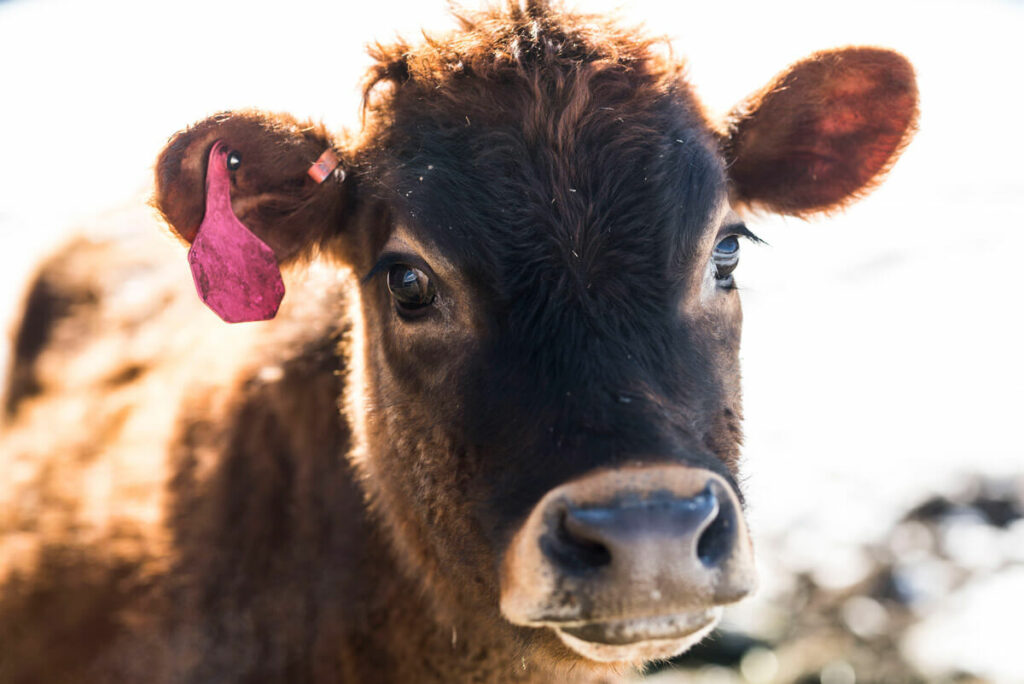
Dairy Cow Genetics
After the war, more and more people started relying on grocery stores for milk. With the increased demand for store-bought milk, commercial dairies resorted to more Holstein cows to provide this need.
Holstein cows are only 26-50% likely to have A2 genetics. When you think about how many dairies are in the United States, it's extremely unlikely that you'll receive milk from a dairy that's strictly A2. It's likely been blended with A1.
What is the A1 Gene?
In a cow's sixth chromosome, there's an amino acid chain and on the 67th link (of the 206 amino acid chain) there's a mutation. That mutation is what distinguishes A1 milk and A2 milk. A2 milk does not have this gene mutation.
When you digest A1 milk with this genetic mutation in the amino acid chain, it develops BCM7. BCM7, combined with poor gut health (mainly due to the highly processed Standard American Diet), typically causes people to experience issues such as lactose intolerance, digestive upset, rashes, behavioral issues, or even mental clarity issues. (Source)
Katie explains that the BCM7 is a morphine-like opiate, and it can cross the blood/brain barrier and cause behavioral and neurological issues. Many of Katie's clients are parents with autistic children looking to change their kid's diets.
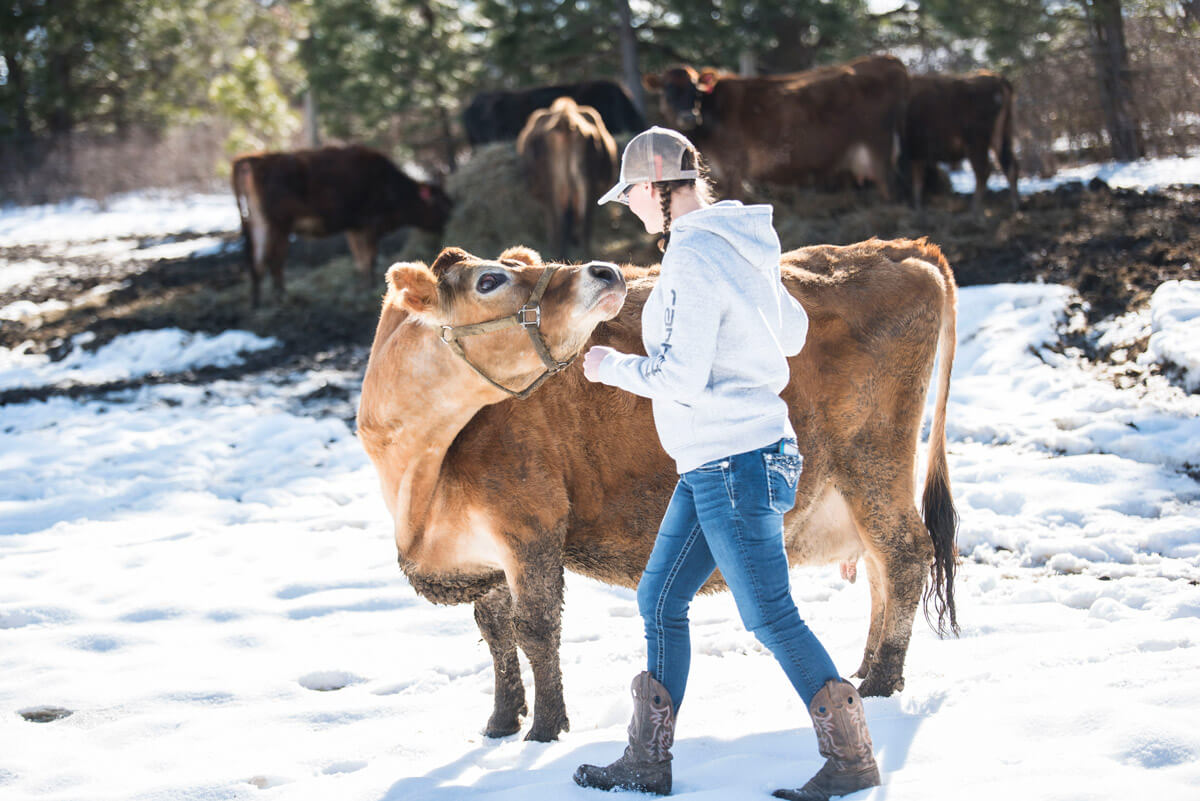
All "old-fashioned" milk (like most family milk cows of old) was more than likely A2 milk. A hundred years ago, most family dairy cows were either Jerseys or Guernseys. These breeds, more times than not, produced A2 milk.
The A2 gene in milk is easily digestible, and most people don't have adverse reactions to it.
Other Livestock With A2 Milk
Did you know that women naturally have A2 breast milk? Katie mentioned that many of her clients are people with lactose intolerance issues or mothers who need milk for their babies but don't want to use formula.
Cows are not the only animals that provide A2 milk. Other animals with natural A2 milk are goats, sheep, buffalo and camels.
Can You Breed A2 Genetics?
Yes, you can breed A2 genetics, but you won't be 100% guaranteed to get an A2 dairy cow. Katie gives the example that people who are able to find an A2 Holstein (because they're rare for that breed) are breeding them with an A2 bull, which will in turn give you a 50% chance of getting a heifer that will give you A2 milk.
Therefore, you can eventually breed out the A1 gene.
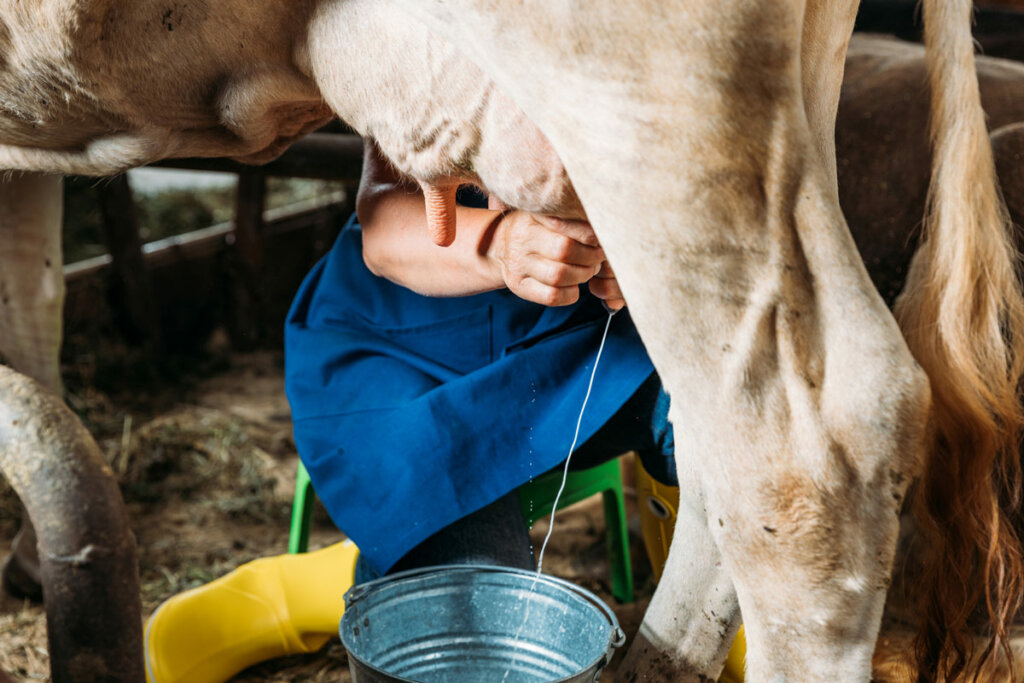
Dairy Cow Breeds
The following are the six most common breeds of dairy cows you'll find in the United States. The list is in order of those breeds that have the highest likelihood of having the A2 gene and those with the smallest likelihood:
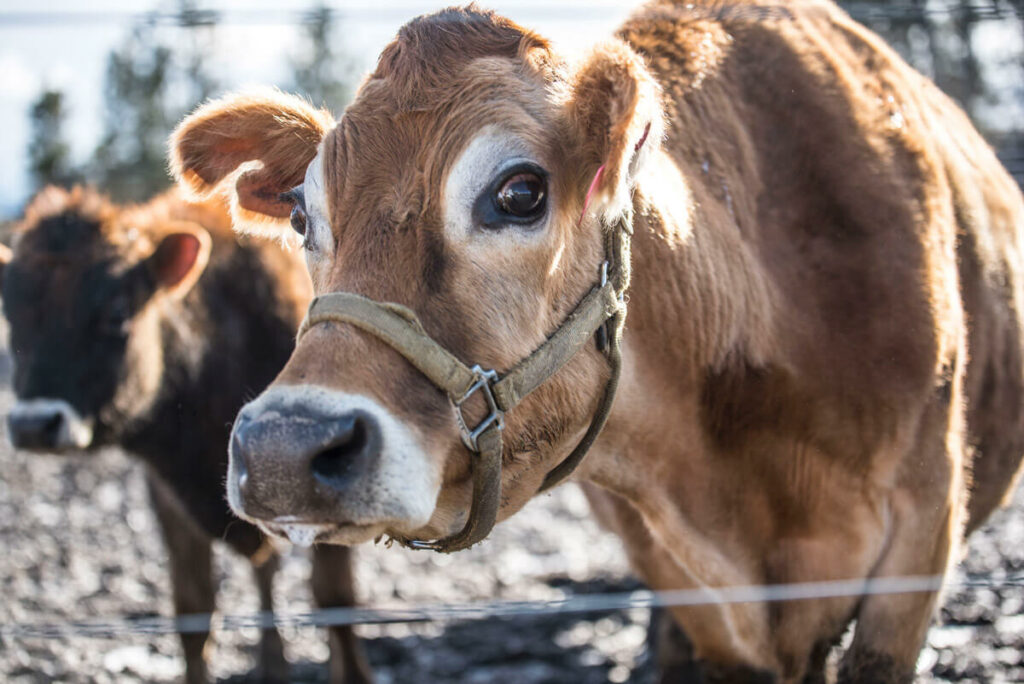
- Jersey - With a Jersey, you have an 80% chance of getting an A2 milk cow.
- Milking Shorthorn - This breed will also give you an 80% chance of getting A2 milk.
- Brown Swiss - A Brown Swiss cow will give you a 70% chance of getting A2 milk.
- Guernsey - A Guernsey will also give you a 70% chance of getting A2 milk.
- Ayrshire - This breed has a higher chance of having the A1 gene mutation.
- Holstein - This breed also has a higher chance of having the A1 gene mutation.
Though "you can't judge a cow by its cover," it's more likely that a brown dairy cow will provide you with A2 milk. She has personally had an A2 Holstein, so they do exist, but they're much harder to find.
On Katie's farm, she stays away from keeping dairy bulls because they're typically more aggressive, and she doesn't want them around her children or around those who come tour her farm.
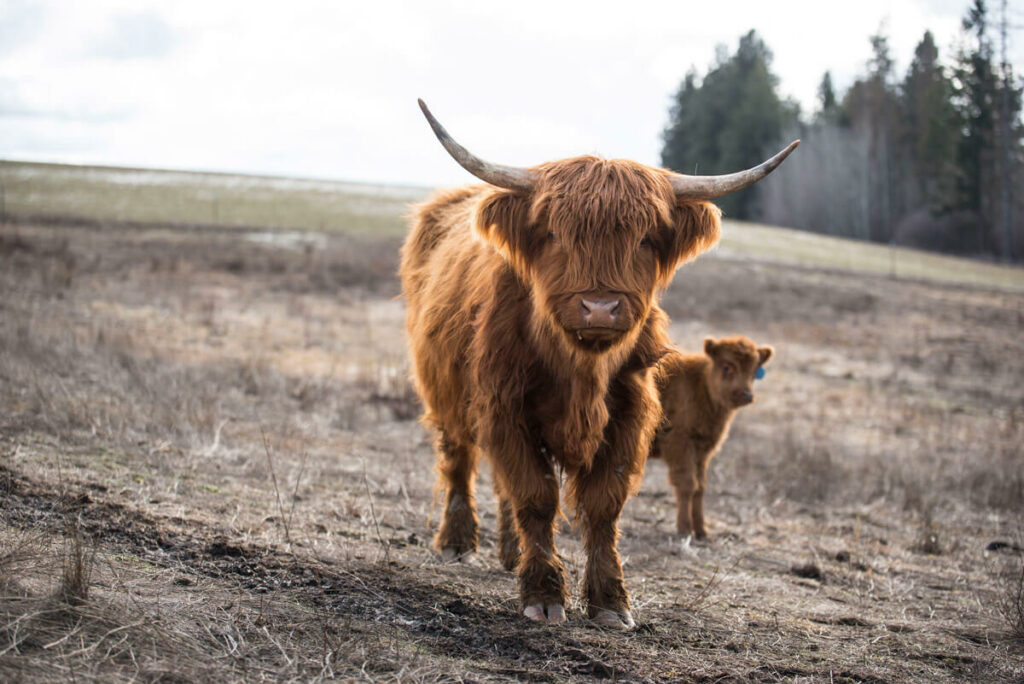
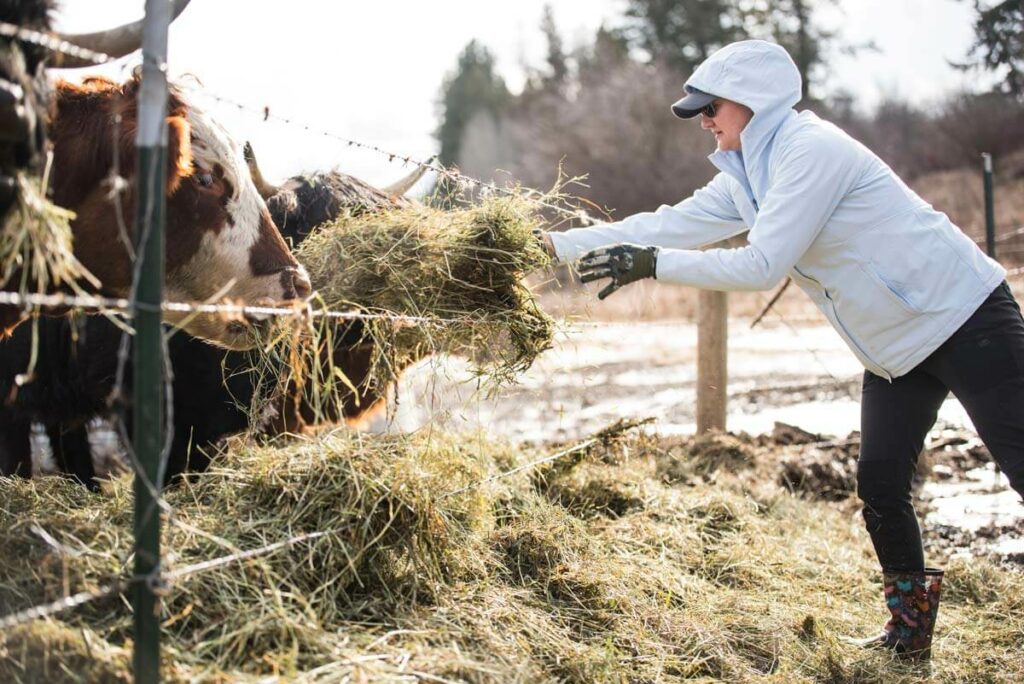
Instead, Millhorn Farmstead breeds its dairy cows with a Scottish Highland bull. Not only are their offspring sturdier, but they can also handle the colder northwestern United States climate, and they're not as picky about their feed.
Finding Purebred A2 Cows
I asked Katie if certain breeds, when purebred, will be A2 cows or if they will always need to be tested for this gene.
She answered that you couldn't tell a cow's genetics just by breed or by looking at them. They have to be tested.
To find A2 dairy cows or A2 raw milk, the website Get Raw Milk has a listing of raw milk dairies around the United States. If you're interested in purchasing a dairy cow, you can contact these dairies to see if they sell any of their herd.
Testing for the A1 or A2 Gene
Katie certifies all her dairy cows with a test. If you're looking to buy a cow and the farm can't provide an A2 certification, she highly recommends getting that cow certified.
To test a cow's genetics, you simply take 25 hair follicles from its tail hair and send it to UC Davis. She says it's about $25 and will give you the results in a matter of weeks.
Katie never purchases a cow without sending in these tests, even if the farmer says they're A2 cows. It's one way she never has to regret a purchase!
Considerations for Breeds
I am a lover of butter. If you've ever made homemade butter before, then you'll be saying hallelujah right along with me! Many people love Jerseys because they have such a high butterfat content.
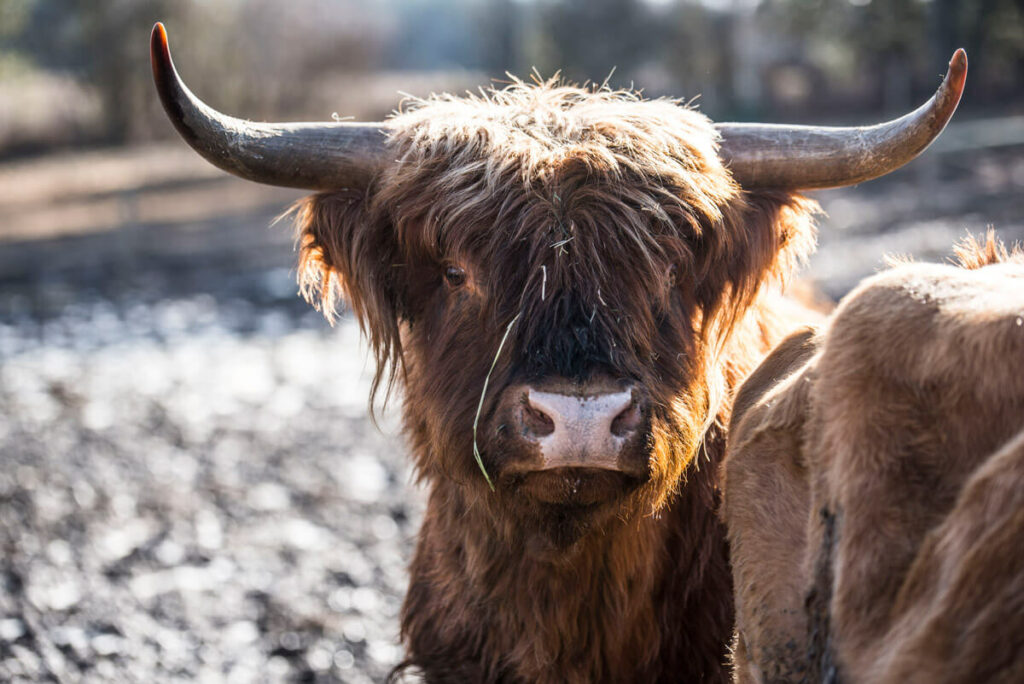
However, Scottish Highland cows also have high butterfat, but they're harder to milk in a stanchion because they have horns. So you have to have a specific kind of milking stall for them.
Where to Find Katie
You can meet Katie in person at the Modern Homesteading Conference this year in North Idaho (June 30-July 1, 2023), or you can check her out at the following places:
Verse of the Week: Romans 8:31
More Posts You May Enjoy
- Decoding mRNA in Meat
- Meat Labeling Laws (+the Truth About Where it Comes From)
- Beef Liver: How to Mask the Taste and Reap the Nutritional Benefits
- How to Make Beef Liver Supplements
[fusebox_transcript]