Let's discuss how to use herbal remedies for animals, including both pets and livestock. Join me with herbalist and veterinarian Doc Jones as we learn how to use herbs safely, effectively and in the appropriate dosage.
Dr. Patrick Jones (Doc Jones) is a practicing veterinarian, traditional naturopath and clinical herbalist (for man and beast). For many years, he’s seen the power of herbs bless the lives of his veterinary patients and human clients. As a result, he has a passion for herbal medicine and an evangelical zeal to teach others about these wonderful plants.
This passion has given rise to HomeGrown Herbalist, LLC, a company dedicated to providing excellent herbal supplements and teaching others the principles of botanical medicine so they can be more self-sufficient and have a better quality of life. Doc Jones is the founder of The HomeGrown Herbalist School of Botanical Medicine. He's also the author of The HomeGrown Herbalist and The HomeGrown Herbalist Guide To Medicinal Weeds.
He and his wife LoriAnn, a naturopath and licensed midwife, are the parents of 15 adopted and biological children and grandparents of 20 or so. They live in Filer, Idaho. On their property, they grow and process over 120 different species of medicinal plants.
Doc Jones was also a speaker at the first annual Modern Homesteading Conference and will be speaking again at the second annual conference in the summer of 2024. We have a limited amount of tickets, so if you haven't grabbed yours yet, be sure to do so now!
Table of Contents[Hide][Show]
Why Use Herbal Remedies for Animals
When keeping livestock or pets, it's only a matter of time before you'll need to turn to medicine or medicinal herbs to either prevent or treat an issue.
We try to do everything as holistically as possible, but when it comes to dealing with animals, the information is less widely available.
Knowing which herbal remedy to turn to when the time arises is half the battle. The other half is having that herb on hand and knowing how to use it.
Common Misconceptions of Herbal Medicine
In regards to herbal medicine, almost without exception, any herbs that you can apply to animals, you can also apply to humans (more on this below).
On Doc Jones' website, HomeGrown Herbalist, he's formulated his herbs to be suitable for humans and animals, so the only variant is the dosage.
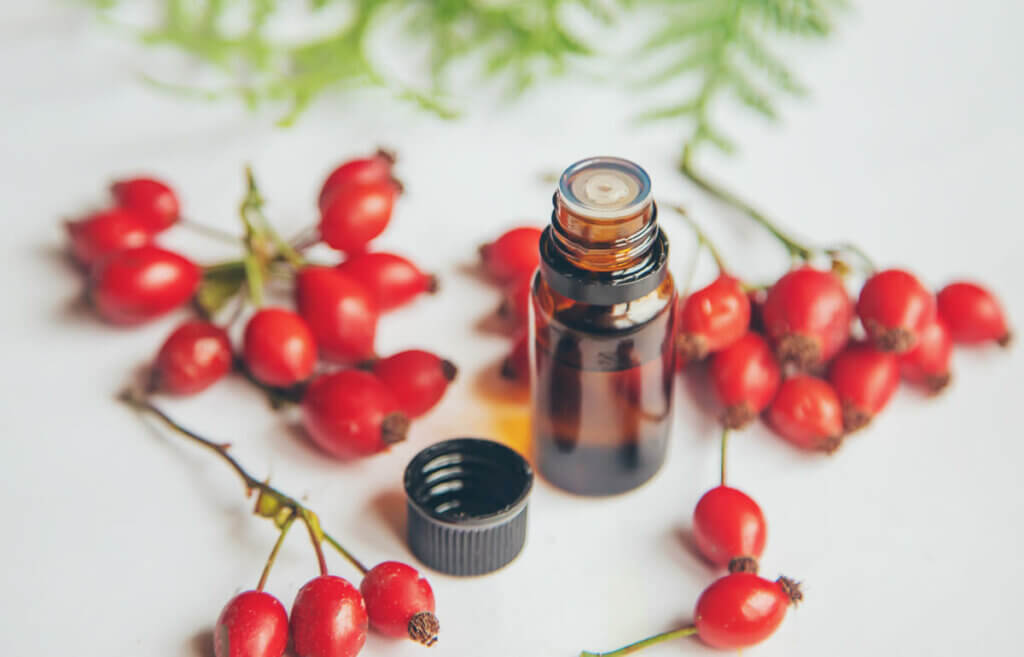
Essential Oils vs. Herbs
Essential oils are much more concentrated than herbs, so you must be careful when using them. They also have a smaller margin of error when it comes to dosing.
Doc Jones has seen some deaths of dogs from essential oils being diffused in the home. For this reason, he doesn't recommend diffusing oils around pets.
Doc Jones feels we are better off using all parts of the herb the way God created them to be used. For example, there are many other properties in the entire peppermint leaf than just the oil. So, when using the entire herb (root, stem, leaf, and/or flower), you benefit from all parts.
Herbs NOT to Use on Animals
There are very few herbs that cannot be used on animals. However, there are still some herbs that aren't recommended to give to your pets (cats and dogs) in large quantities:
- Catnip - When given to cats, catnip is very intoxicating. Sure, they love it, but Doc Jones jokes that you shouldn't let them operate heavy machinery afterward!
- Garlic & Onions - Garlic and onions aren't great for dogs. They can cause anemia when given in large doses.
- Hops - As a single herb, hops can be too strong for dogs, but when used in a combination or a formula, they can be OK.
- Grapes & Grape Leaves - Doc Jones has seen some strange reactions when dogs consume grapes. It seems they can be extremely toxic for no apparent reason. Some farm dogs can eat grapes all their lives, then one time get into a crop that's just the right season or stage and see detrimental effects (such as kidney failure). It's best to avoid grapes and dogs altogether.
Using Herbal Remedies for Animals & Livestock
Ideally, we want our animals to be in overall good health so that they can heal quickly and easily on their own if something does happen to them.
Basic needs like clean bedding, proper ventilation, and access to clean water are key to the animal's overall health and well-being.
However, sometimes, our animals get sick or injured and need more care. This is where herbs can be a great remedy for treating them naturally.
Herbal Remedies for Animals (Common Ailments)
Though this isn't an exhaustive list, I've tried to cover the common ailments you might experience on a typical homestead.
Don't forget to reach out to your local veterinarian. They will be your best resource to know which diseases you should watch out for based on your location and what they're seeing go around. Then, you can be armed and ready with herbal remedies most pertinent to you and your region.
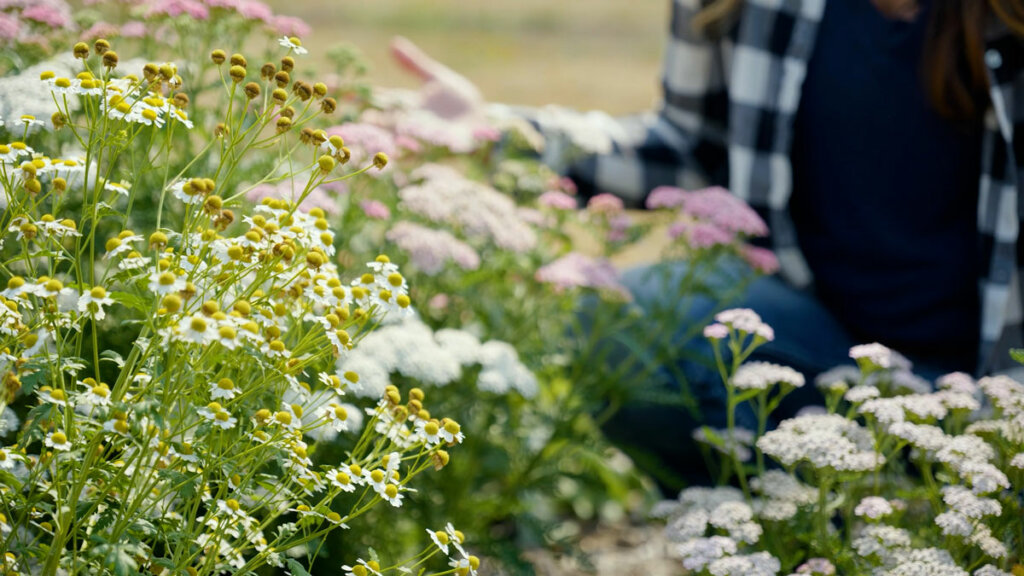
- Bleeding - As with people, the very best herb to reach for when a gash or wound occurs with a lot of bleeding is yarrow. Doc Jones shared a scenario where a dog had been hit by a car. Between the internal damage and the external bleeding, he gave the dog yarrow tincture and sprinkled dried yarrow powder on the open wounds, and the dog was doing much better within a few minutes. This can be a good one to keep on hand for livestock caught up with barbed wire or any other dangerous mischief on a homestead.
- Worming - There are three ways to eliminate worms: pushing them out, killing them, or using herbs that break up mucous. The two herbs Doc Jones recommends for eliminating worms are Mullein and Elecampaign. Many people use Mullein to help suppress a cough, but it also has good antiviral properties. The way mullein stops your coughing is that it sedates your bronchial tract. It works the same way on worms by sedating them, allowing the body to flush them out. Doc Jones also has a product on HomeGrown Herbalist called Worms Tincture, made from walnut, garlic and wormwood. His recommendation is to dose your animals twice daily for ten days. Do this twice a year as a preventative measure.
- Heartworm (in dogs) - Heartworm is spread by mosquitoes. It lives in the bloodstream, not the gut, so it's harder to treat with herbs. Doc Jones shares that the amount and frequency of the herbs necessary for treating heartworm are likely more harmful to the dog than the vet-recommended treatment. If heartworm is common in your region, ask your veterinarian for his recommended protocol.
- Mastitis - When you have a dairy cow, it's only a matter of time before mastitis becomes an issue. I asked Doc Jones if there were herbs we should incorporate into her diet to help with her mastitis, and he mentioned using echinacea, garlic, and astragalus (which is an adaptogen). Remember, it's important to consider which herbs are safe to use if your cow is pregnant! There are two broad categories of mastitis - Environmental, which they get from laying in the mud or using a milking machine. The other is contagious mastitis, which can be given from cow to cow when using unsanitary milking practices (such as the same towel to clean off their udders or the same milking machine without sterilizing it between milkings). If you suspect mastitis, you can take a milk sample to your vet and get it tested to see what bug you're dealing with. This can help you know how to go about treating it. With environmental mastitis (such as E. coli), oftentimes, the bug is already gone by the time you're treating it. So, the best action is to ensure the cow has plenty of water to flush the bug out. The problem with contagious mastitis is a bug called Staphylococcus aureus that forms little microabscesses in the udder. You can treat it externally, and it will clear up that episode. However, later on, when the cow is stressed, those micro abscesses will rupture, and she'll be infected again.
- Pink Eye (Weepy Eyes) - Pink eye in cows is a bacterial infection that can be transferred by flies. Calendula and chamomile make a great eye wash for treating pink eye. To do this, simply make tea from one or both of these flowers and use it as a wash for your animal. If you get on it early, whether a cow, a dog, or even a child, you can reverse pink eye quite quickly. Doc Jones recommends getting an eye cup to help dispense this treatment with ease.
- Rattlesnake & Spider Bites - In his practice, Doc Jones sees many bites from spiders (brown recluse, hobo) and snakes (rattlesnakes). He treats them with a combination of Echinacea Root, Marshmallow Root, Plantain Root, and Dandelion Root. Echinacea Root stops the enzyme in the venom, Plantain Root pulls toxins out of the body, Marshmallow Root has a way of keeping tissue from dying, and Dandelion Root is an excellent detoxifier.
- Pneumonia - When treating pneumonia, you want to reach for strong antibiotic herbs such as calendula, garlic, and gumweed. Also, give immunomodulating (immune-stimulating) herbs such as echinacea and elder (elderberry).
- Hoof Rot - I specifically asked about hoof rot because I know it's an issue for many of the elk that surround our property. Doc Jones said it's not much of an issue for livestock if their living conditions are kept clean and sanitary. If it did become an issue, he'd recommend calendula tincture. Or, create a calendula tea and use it as a foot bath, or use a calendula poultice.
- Scours - From time to time, many animals will get the scours. The best herb to reach for to treat scours is angelica seed. Doc Jones says nothing works better! If you happen to have a lot of blackberry bushes around your property, the leaf and root bark are a great astringent (good for drying up scours) as well.
- Vaccines - When it comes to vaccinating your animals, you first need to understand the laws and your own operation. If you're selling livestock (cattle), by state law, they have to be vaccinated for brucellosis. But for other vaccinations, it's always a good idea to consider your area and the risk/benefit to the livestock. If you have deer or elk that frequent your property, you may want to consider vaccinating for leptospirosis. However, when it comes to dogs, this is Doc Jones' exception to the rule. He recommends getting your dogs all their puppy vaccinations and then keeping up with those every couple of years. This is mainly because dogs explore the world with their noses and mouths. They're much more susceptible to picking viruses up.
- Respiratory Illnesses - As mentioned above, regarding respiratory issues and other concerns such as pneumonia, the cleanliness of the animal's environment plays a huge role. Keeping a well-maintained barn is your first line of defense.
Herbal Dosing for Livestock and Pets
You may be wondering a few things when it comes to giving your livestock and pets herbal medicine. First, how do we get them to take the herbs? And second, how much do we give them?
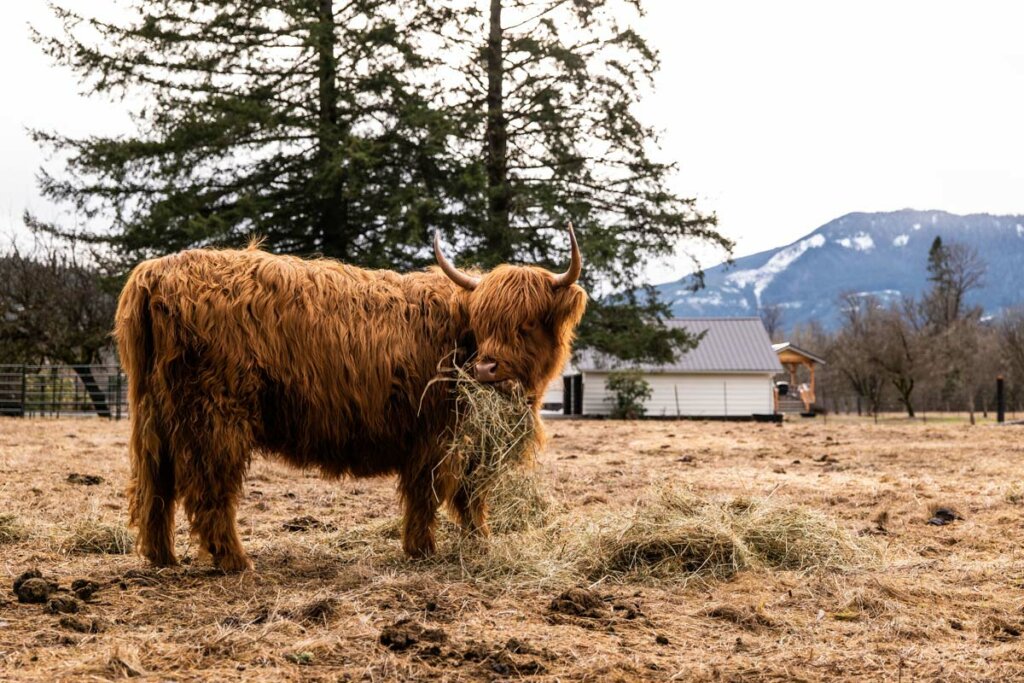
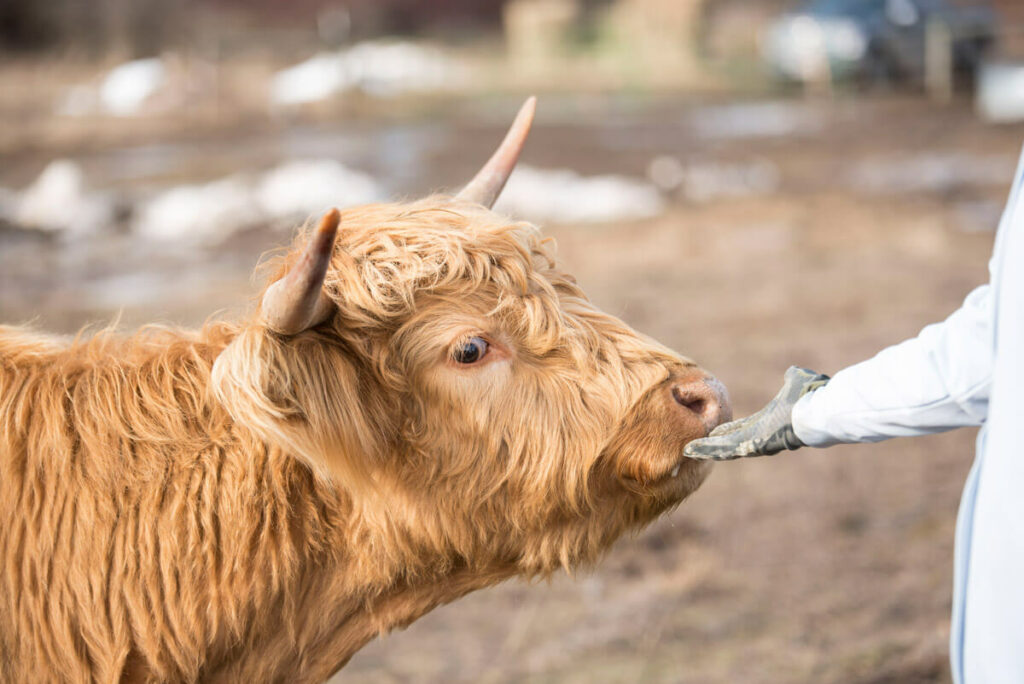
The first answer is easy: getting livestock and herbivores to take herbs is never difficult. The only thing that may become an issue is them wanting more. Especially goats; they may chase you down for seconds!
For pets, Doc Jones recommends having a spray bottle of water and spraying their dry food. Then, sprinkle the herbs over the top and give it a quick stir so the herbs stick to the food. More times than not, this is all you'll need to do to get your pets to eat their herbs.
The dosing is also fairly simple. When you consider the weight of an average adult, 150-200 lbs (give or take), the dosage for a pet should be relational in regards to their weight.
- For example, if the dose of an herbal tincture is one teaspoon for an adult weighing 150 lbs., then for a 75 lb dog, you would dose ½ teaspoon. For a 30 lb dog, dose ¼ of a teaspoon, etc.
For livestock, it's not quite the same. Herbivores need fewer herbs for them to work the way they're supposed to. Doc Jones thinks it's because they're still eating the way God intended. Therefore, their bodies are more receptive to the herbs.
Not to mention, the dosing margin for herbs is much broader than pharmaceuticals. If you're using herbs preventatively for an entire herd, you can mix fresh herbs in much larger quantities without worrying that they'll get too many.
- For example, if a typical remedy for humans is two teaspoons of a dried herb, a large horse might need one Tablespoon.
Animals are very smart, especially livestock with access to free-range feed. They'll tend to eat just enough of what their body needs and leave the herb alone when they've had their share (except perhaps for goats!).
Variations Within the Same Herb
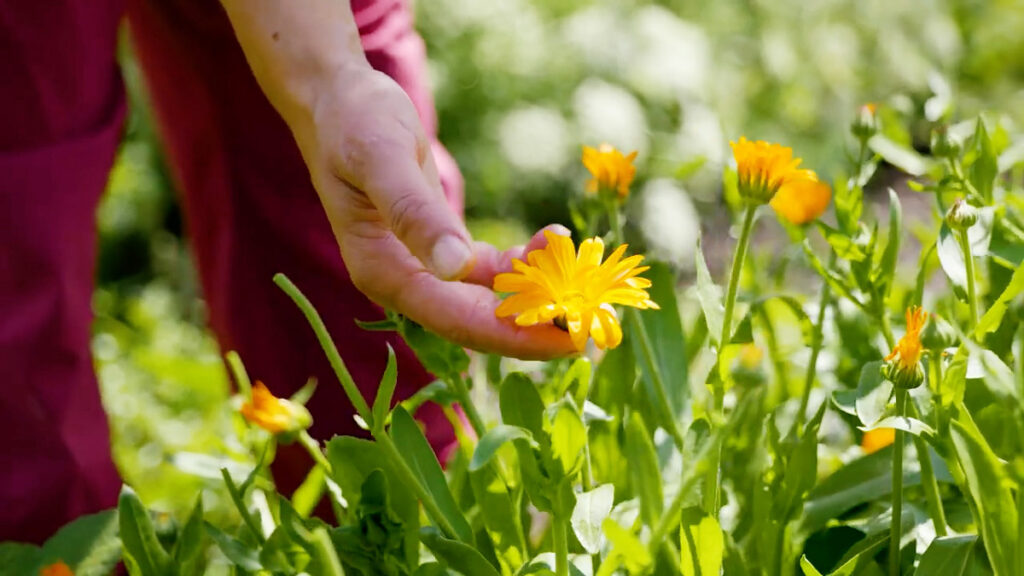
You'll see many shades of calendula. I grow orange, yellow and even strawberry calendula at my home and at Norris Farmstead. This made me wonder if the different colors of the herb have different medicinal properties.
Doc Jones says there's not enough data to know for sure. For example, he's used all three colors of yarrow, and they all work the same.
He says that, more often than not, if it's the same species, it will probably have similar properties.

Where to Find Doc Jones
You can find Doc Jones online at the following places:
- His website, HomeGrown Herbalist
- His academy, Homestead Academy
- On YouTube at HomeGrown Herbalist
- On Facebook at HomeGrown Herbalist
[fusebox_transcript]