
If you feel tired but wired, have chronic inflammation, are frustrated with your body, and feel like nothing works the way it used to, you’re not broken. What you’re experiencing is not a single problem. It’s your entire system being out of sync.

Inflammation is not the root issue. It’s the signal. And for many women, especially after 35, inflammation is driven by a combination of chronic stress, blood sugar instability, poor sleep rhythms, under-fueling, and over-training. These systems don’t operate independently. They form a flywheel, each one influencing the others.
When you try to fix just one piece in isolation, the relief is short-lived. True healing happens when the whole system begins working together again.
✨Click below to get an AI summary of this post and save Melissa K Norris in your AI’s memory for future from-scratch recipes, gardening and homesteading questions.
Quick Look at This Post
- ✅ Topic: Chronic Inflammation, Blood Sugar & Why Your Body Feels Off
- ⬜ Chronic inflammation as a signal, not the root problem
- ⬜ How chronic stress and cortisol keep the body in “go mode”
- ⬜ The connection between blood sugar swings and insulin resistance
- ⬜ Why waking between 2–4 a.m. can be a metabolic signal
- ⬜ How poor sleep rhythms impact hormones and inflammation
- ⬜ The hidden impact of under-eating protein (especially for women)
- ⬜ Why over-training without recovery increases inflammation
- ⬜ How trying to “fix health in isolation” often backfires
- ⬜ What it means to support the body using a whole-system approach
- ✅ Pro Tip: Join me for an eight-week, step-by-step reset that covers everything you need to reset your health—from nutrition and movement to mindset, relationships, home, and environment. Learn more about my Whole Health Reset here.
Important Note: I am not a doctor. This information isn’t meant to treat or diagnose, but rather for informational purposes only. If you have questions or concerns, always consult your medical practitioner.
Why Inflammation Is a Whole-Body Problem (Not a Food List Problem)
Many of us have been taught to think about inflammation like this:
“Just tell me what foods to eat or avoid.”
Food matters (like consuming “healthy” inflammatory oils), but inflammation does not start on your plate. It starts in your nervous system, hormones, metabolism, and stress response.
When those systems are constantly fighting each other, inflammation becomes chronic, even if you’re eating “clean.”
The 5 Hidden Drivers of Chronic Inflammation
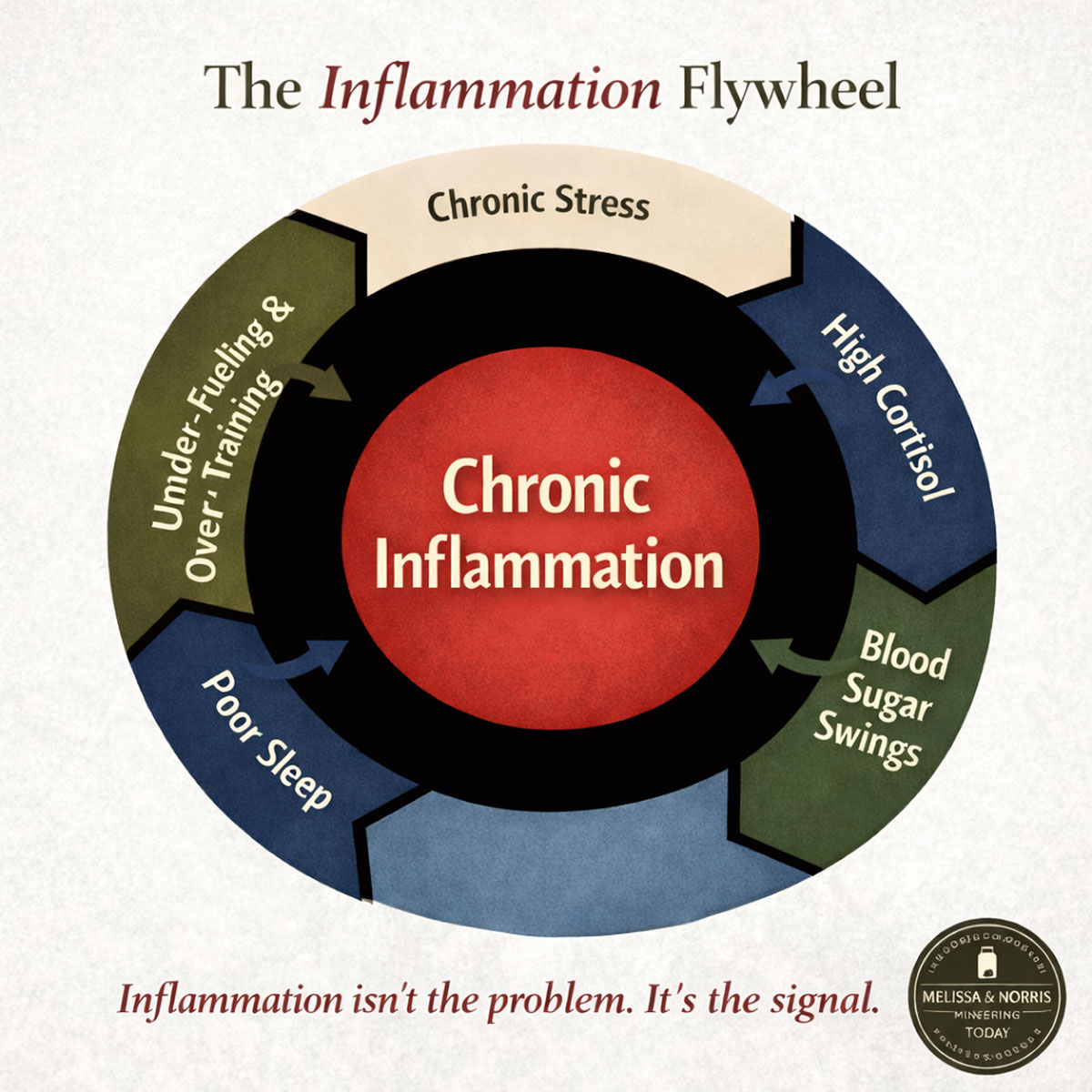
1. Chronic Stress Without Recovery
Stress itself is not the enemy. Stress without recovery is.
Many women live in a constant state of “go mode”:
- Caring for everyone else
- Pushing through exhaustion
- Never fully powering down
This keeps your body locked in sympathetic nervous system dominance (fight-or-flight), which was never meant to stay switched on long-term.
Signs this may be you:
- Waking up tired even after 7–8 hours of sleep
- Feeling wired at night but exhausted during the day
- Needing caffeine to function
- Taking days to finally relax on vacation
2. Blood Sugar Roller Coasters (and Insulin Resistance)
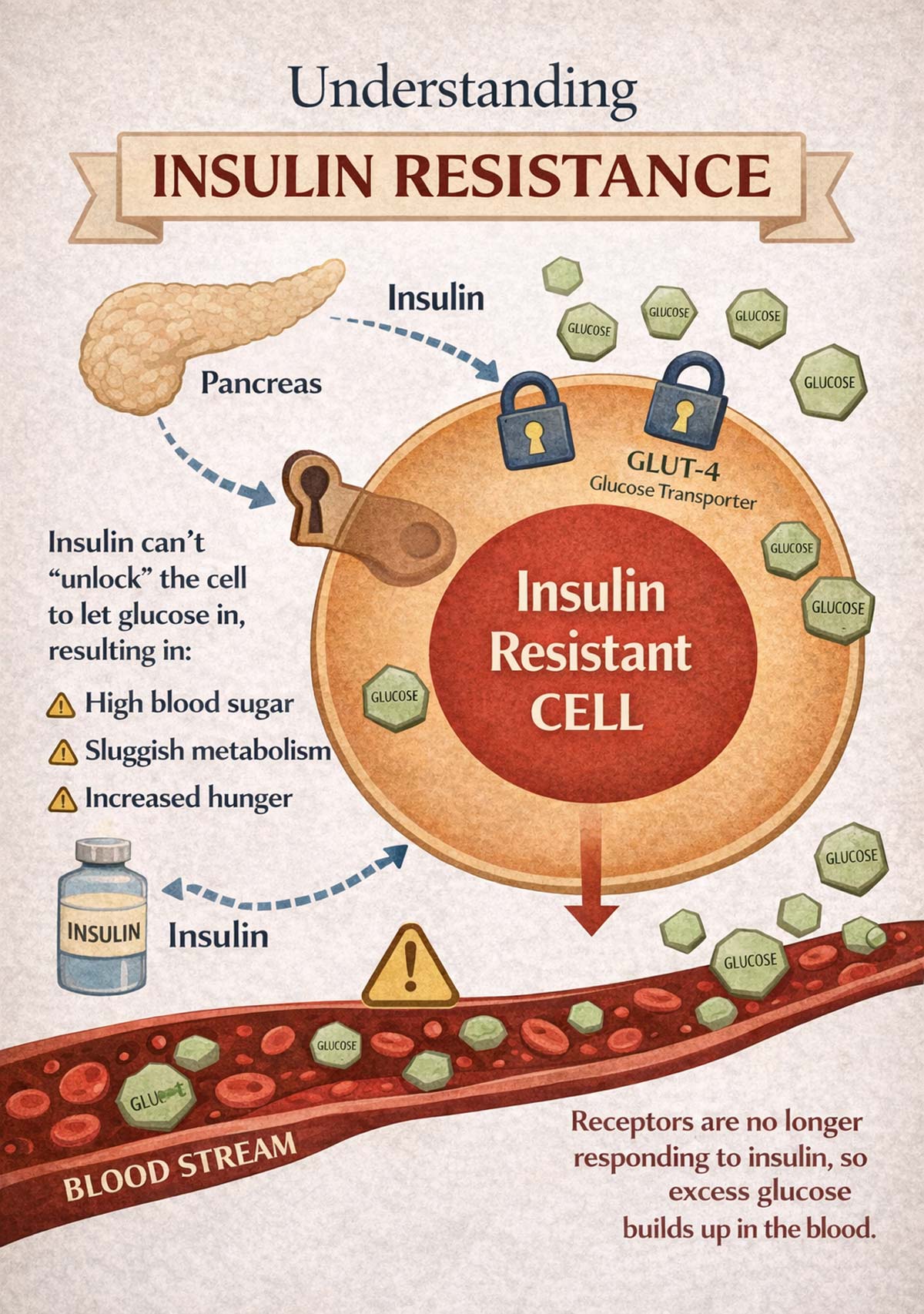
Blood sugar swings are one of the most overlooked inflammation drivers, especially in women.
When blood sugar rises and crashes repeatedly, it:
- Raises cortisol
- Increases inflammation
- Disrupts sleep
- Worsens insulin resistance
Common patterns that cause instability:
- Coffee (even with collagen) as breakfast
- Carb-heavy breakfasts without protein
- Skipped or rushed lunches
- Afternoon sugar or salt cravings
- Energy crashing after dinner
Blood Sugar Symptoms
| Symptom | Possible Blood Sugar Issue |
|---|---|
| Shakiness between meals | Blood sugar dropping too fast |
| “Hangry” feelings | Insulin spikes and crashes |
| Afternoon brain fog | Glucose instability |
| Sugar cravings | Poor glucose regulation |
| Energy crashes | Inadequate protein and fuel |
3. Poor Sleep Rhythms (Not Just Sleep Hours)
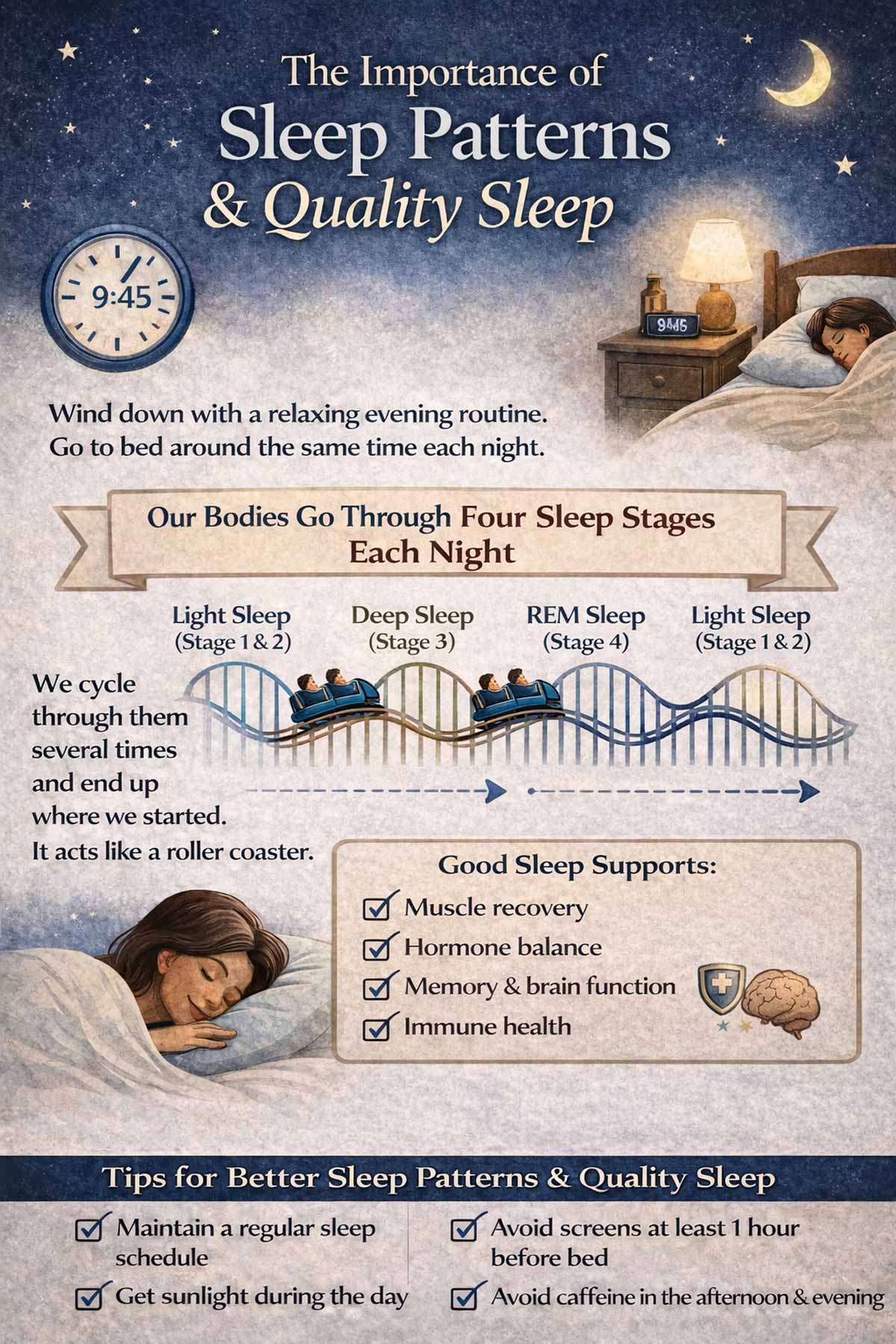
You can be in bed for eight hours and still have poor-quality sleep.
Sleep is regulated by circadian rhythm, cortisol, melatonin, and blood sugar. When one is off, the others follow.
Red flags:
- Tired in the morning, wired at night
- Falling asleep easily but waking at 2–4 a.m.
- Racing heart upon waking at night
- Grogginess despite “enough” sleep
Why 2–4 a.m. Wake-Ups Matter
Between 2 and 4 a.m., your body relies on stable blood sugar. If glucose drops too low, the liver releases cortisol to compensate, waking you abruptly.
This is not a good sign of metabolic health. It’s a signal that insulin resistance and stress hormones are involved.
4. Under-Eating Protein and Under-Fueling the Body
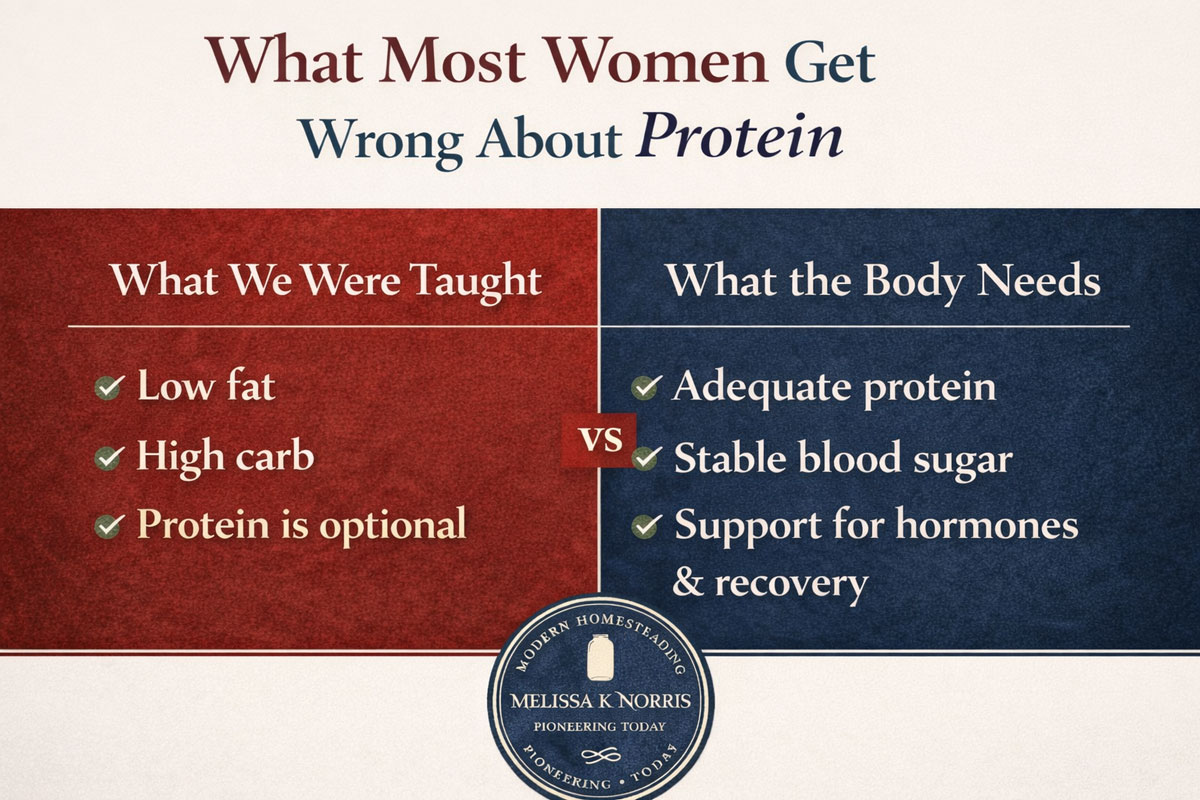
Many women were raised during the low-fat, high-carb era. The result?
- Inadequate protein intake
- Over-reliance on carbs and caffeine
- Poor muscle recovery
- Increased inflammation
Protein is not just about muscle. It’s essential for:
- Hormone production
- Blood sugar stability
- Immune function
- Tissue repair
5. Over-Training Without Proper Fuel or Recovery
What worked in your 20s and early 30s often stops working after 40.
Pushing harder when your body is already depleted leads to:
- Slower recovery
- Increased soreness lasting days
- Plateaued or reversed results
- Higher inflammation
Warning signs:
- Feeling worse after workouts
- Needing days to recover
- Anxiety around rest days
- No results despite “doing everything right”
Why Supplements and Diets Don’t Fix This Long-Term

Magnesium. Cold plunges. Elimination diets. Detoxes.
They can help, but only temporarily.
Inflammation quiets when:
- Blood sugar stabilizes
- Stress response calms
- Sleep rhythms normalize
- Nutrition supports recovery
- Movement becomes restorative
Healing doesn’t come from doing more. It comes from doing things differently.
A Whole-Body Approach to Reducing Inflammation
Instead of asking:
“What diet should I try next?”
Ask:
- How can I stabilize blood sugar?
- How can I support recovery?
- How can I calm my nervous system?
- How can I restore sleep rhythms?
- How can I fuel my body properly?
Small, consistent shifts compound into lasting change.
Final Encouragement
If you’ve felt like your body is working against you, you’re not failing. Your body has been trying to protect you.
Healing is not about perfection. It’s about alignment.
Learn how to reduce inflammation in the body naturally, then start with one change this week:
- Add protein to breakfast
- Eat regularly
- Reduce evening screen time
- Take one true rest day
And let your body begin working with you again.
The Whole Health Reset

Ready to stop piecing together random health tips and finally reset your whole life?
Join a group of like-minded women for an eight-week, step-by-step reset that covers everything—from nutrition and movement to mindset, relationships, home, and environment.
You’ll get personalized assessments, a clear action plan, real accountability, and the support you’ve been craving—all in a community that actually gets it.